Rigid boxes: heavy and slow
- Often left behind when workers move zones.
A foldable, weather-resistant soft goods system designed for a framer’s workflow.
On a framing site, workers carry only what they need, and their tools still end up scattered, unprotected, or buried. I wanted a way to carry, reach, and protect essential tools quickly and simply.
The result is a foldable, weather-resistant soft goods system built around a framer’s workflow.
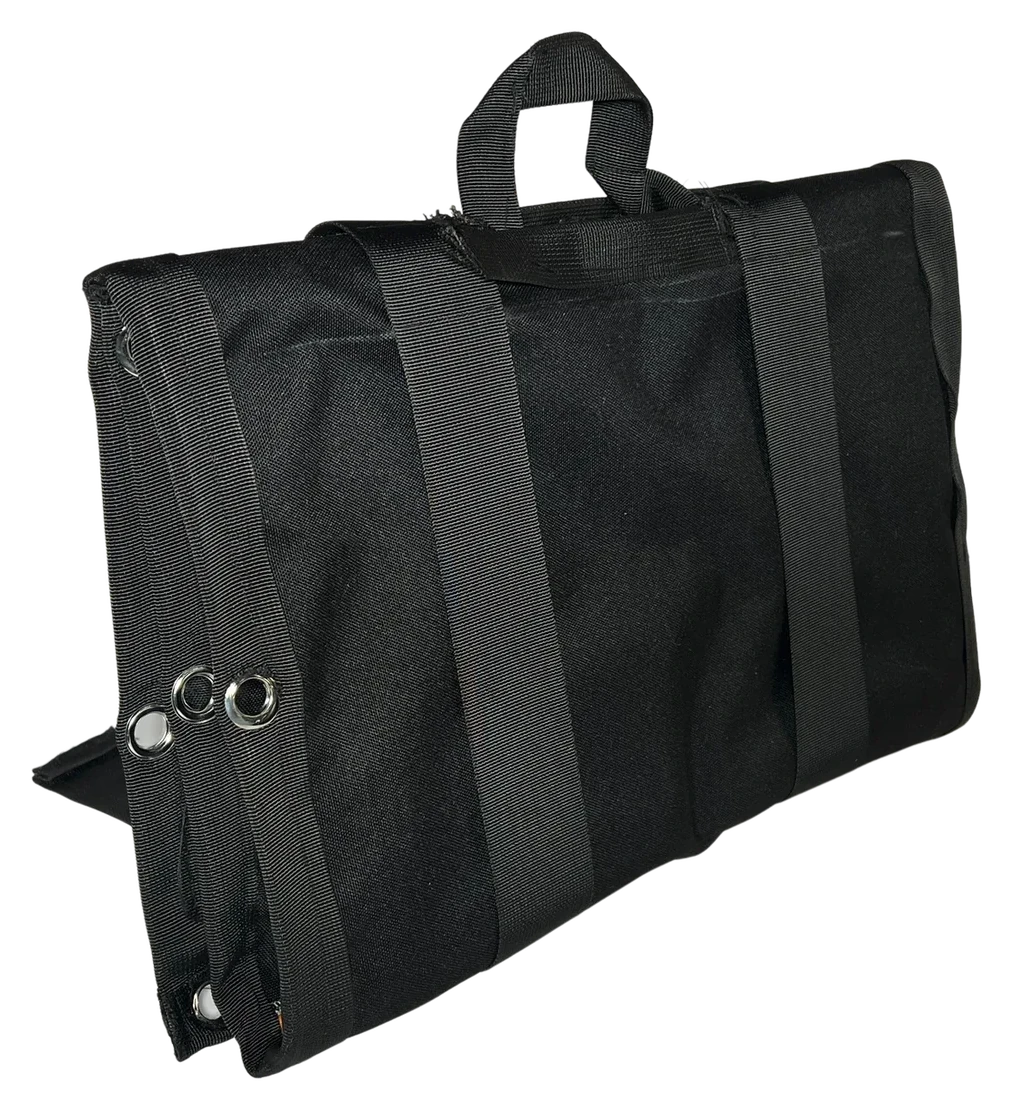
My user group: construction framers aged 30 to 50. They move constantly between their truck, the ground, ladders, and studs. Their workflow is fast, physical, and outdoors, all while being exposed to dust, moisture, and uneven terrain.
These insights shaped the product goals: fast access, compact organization, portability, and protection.
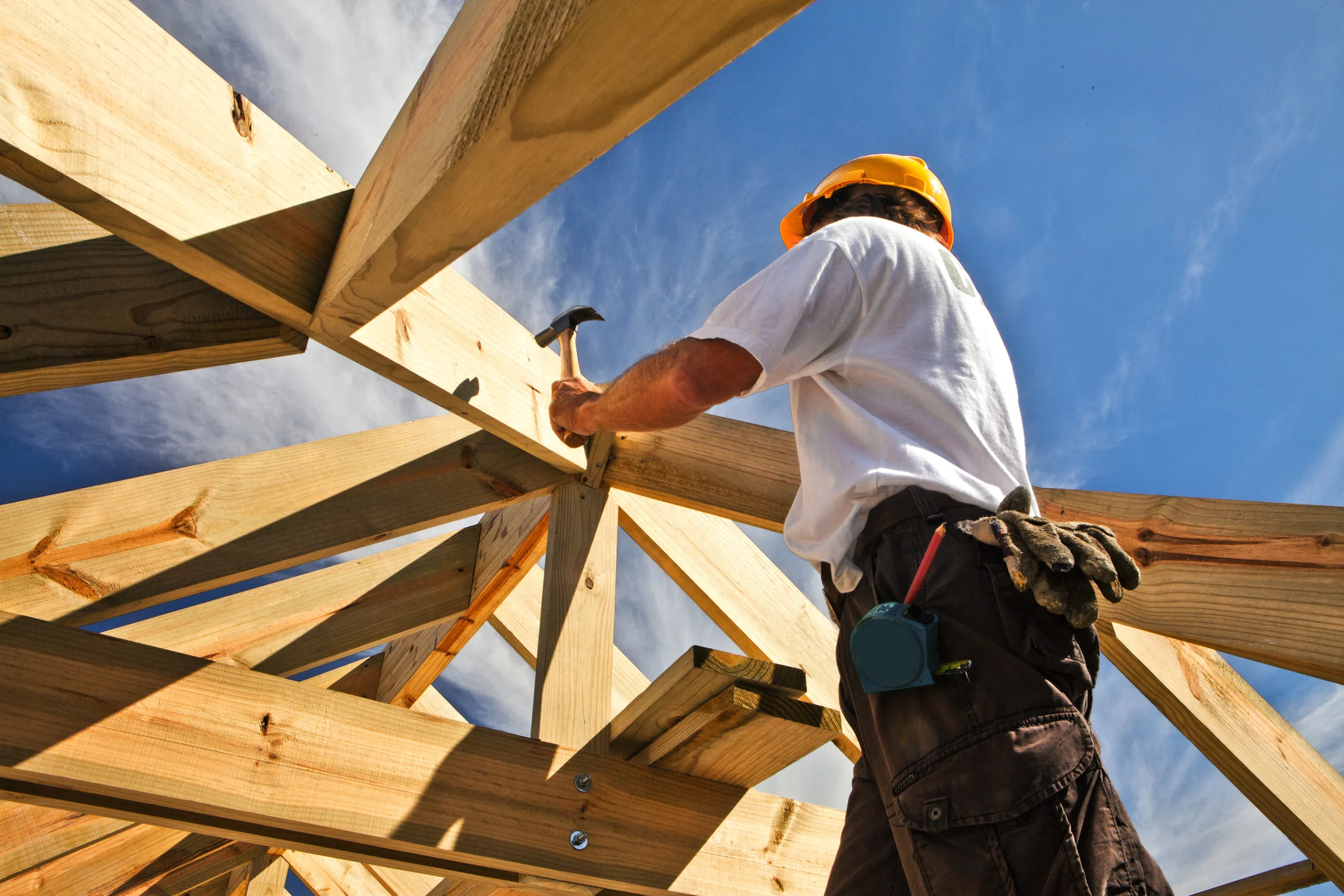
Existing products solve part of this, but none I found carry one or two power tools plus key accessories in a compact, foldable format that stays off the floor. That left room for a hybrid soft good: portable and flexible, with just enough structure.
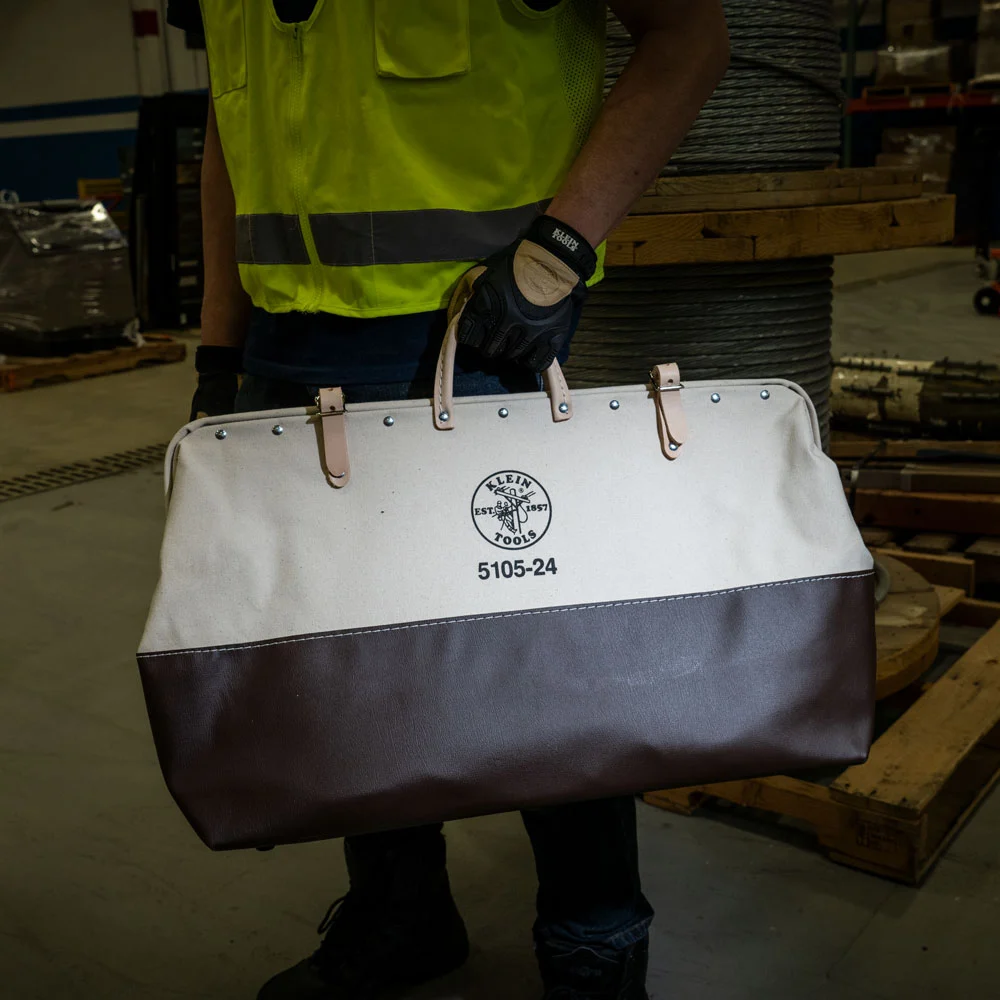
Flexible, but too unstructured. Doesn’t protect or hold power tools adequately.
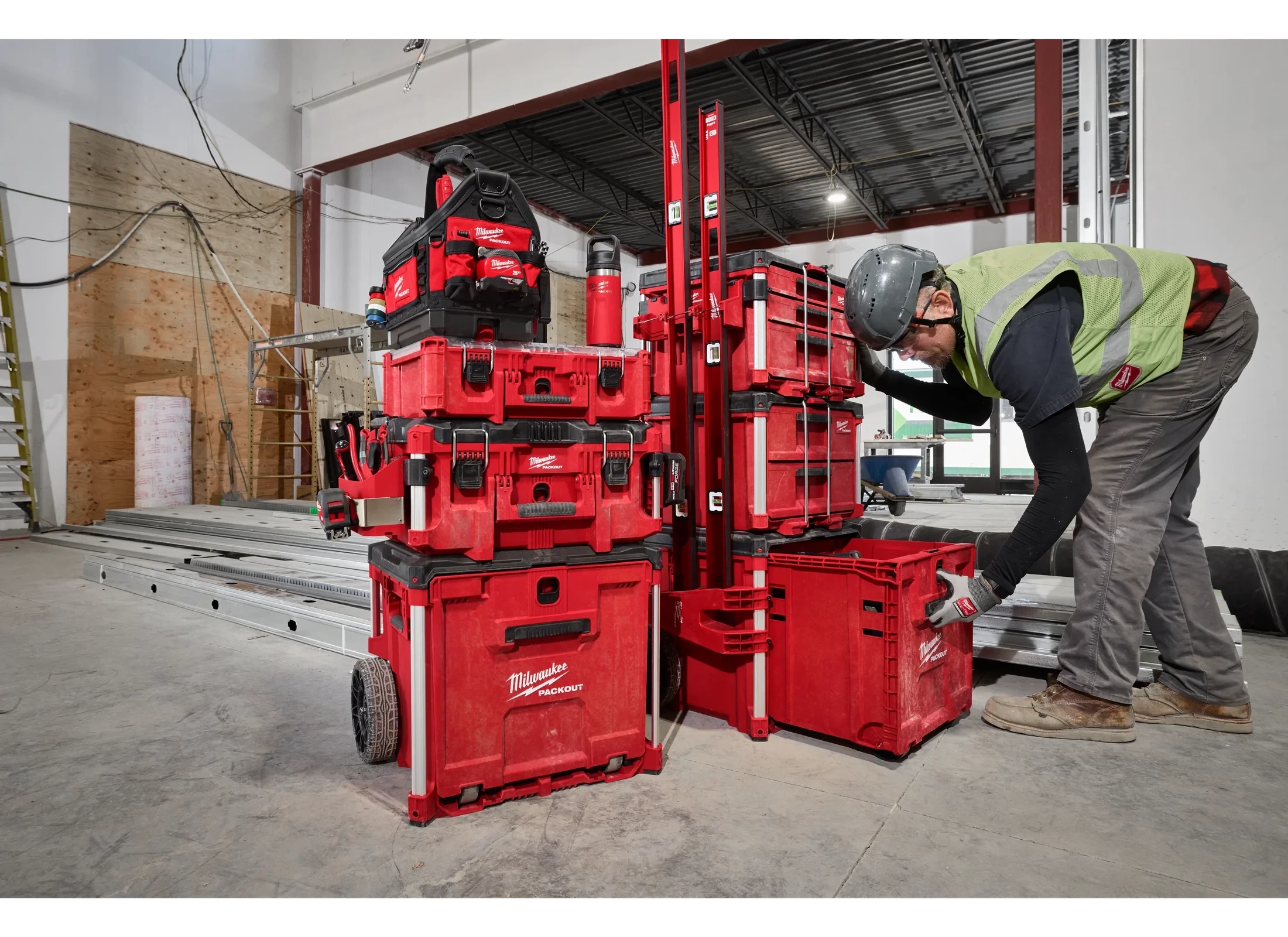
Durable, but heavy and mainly stationary. Limits mobility on dynamic jobsites.
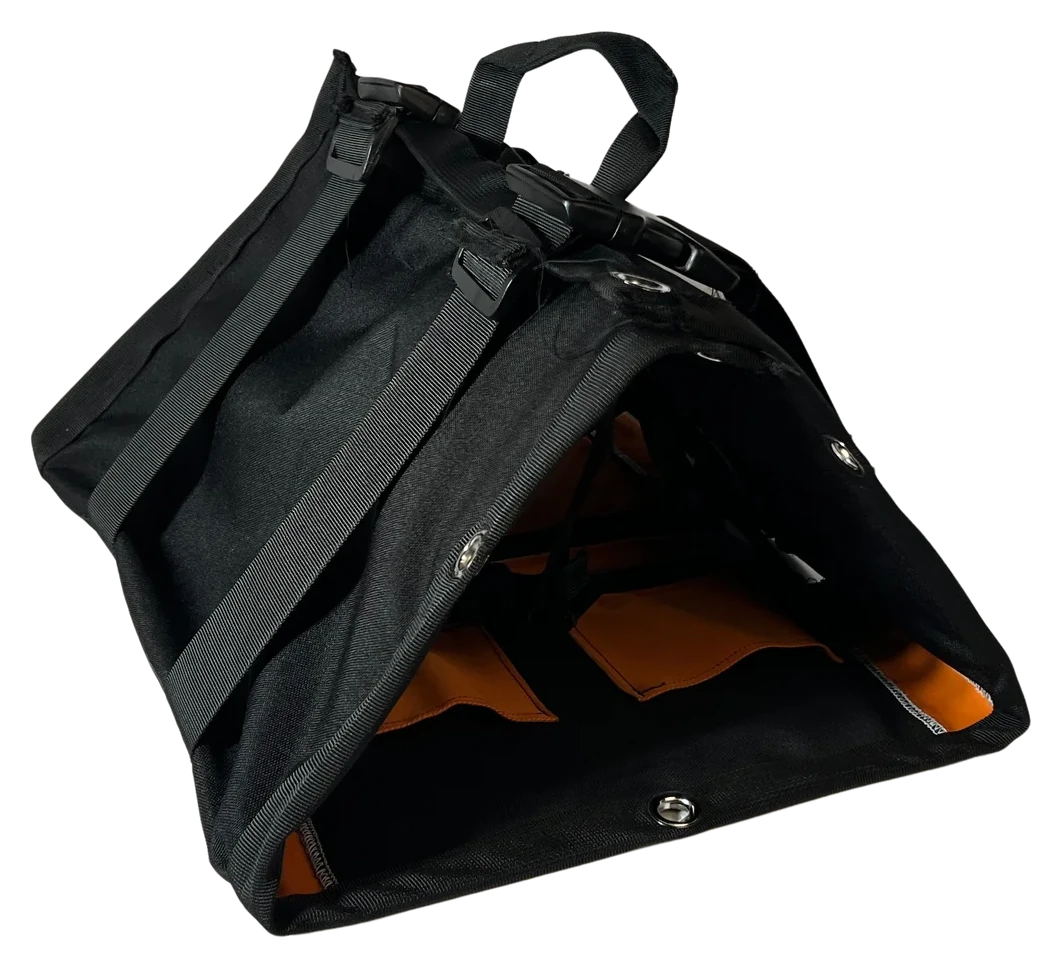
Focusing on a versatile “tool roll” which folds into the 11″ × 8″ constraints. A trifold design with a fold down to the middle, giving the whole unfolded construction a 16″ × 33″ frame. Incorporating multiple ways to carry the tool case, and multiple ways to hang and attach the product to studs. Looking at different ways to attach tools and secure the tool case in general.
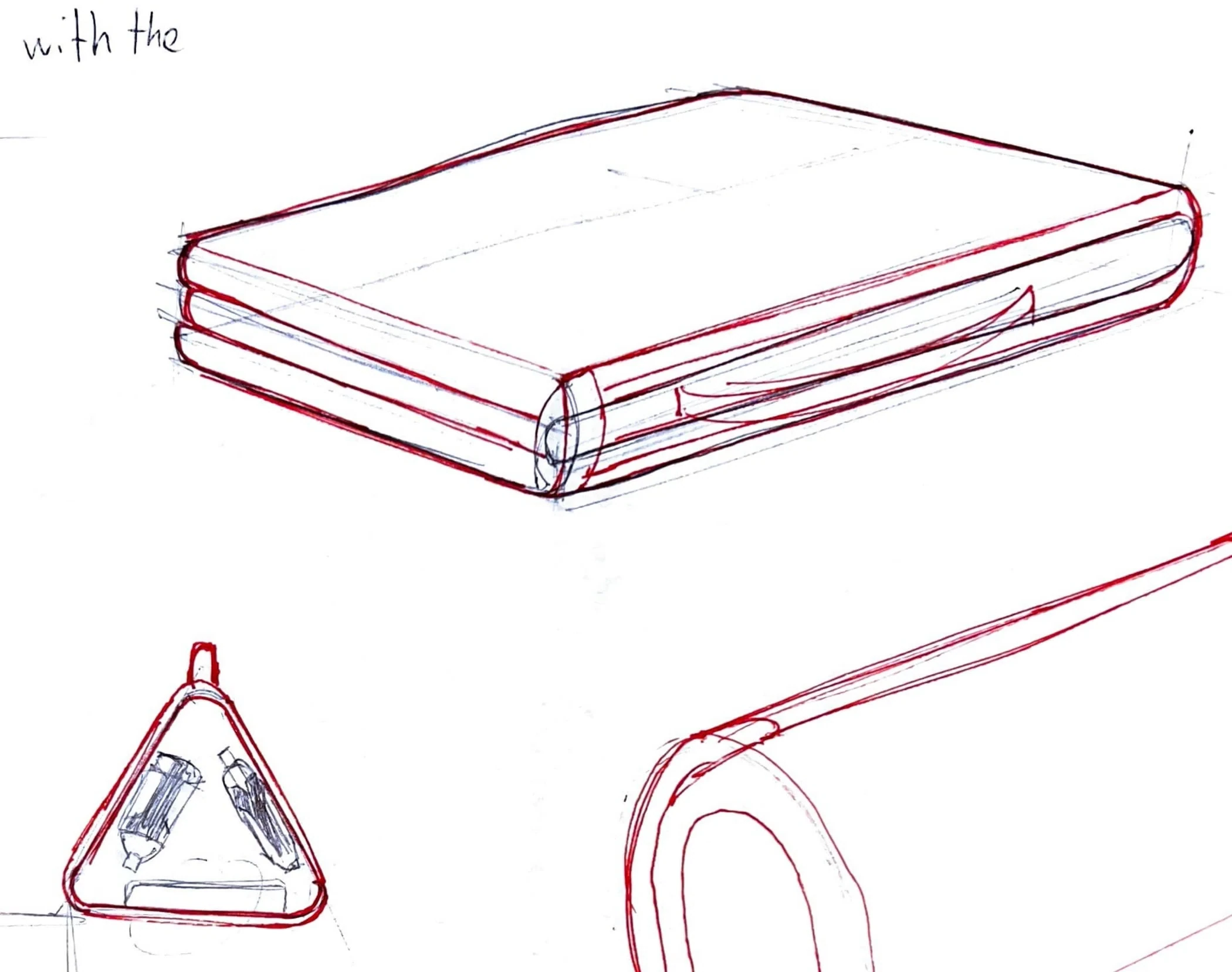
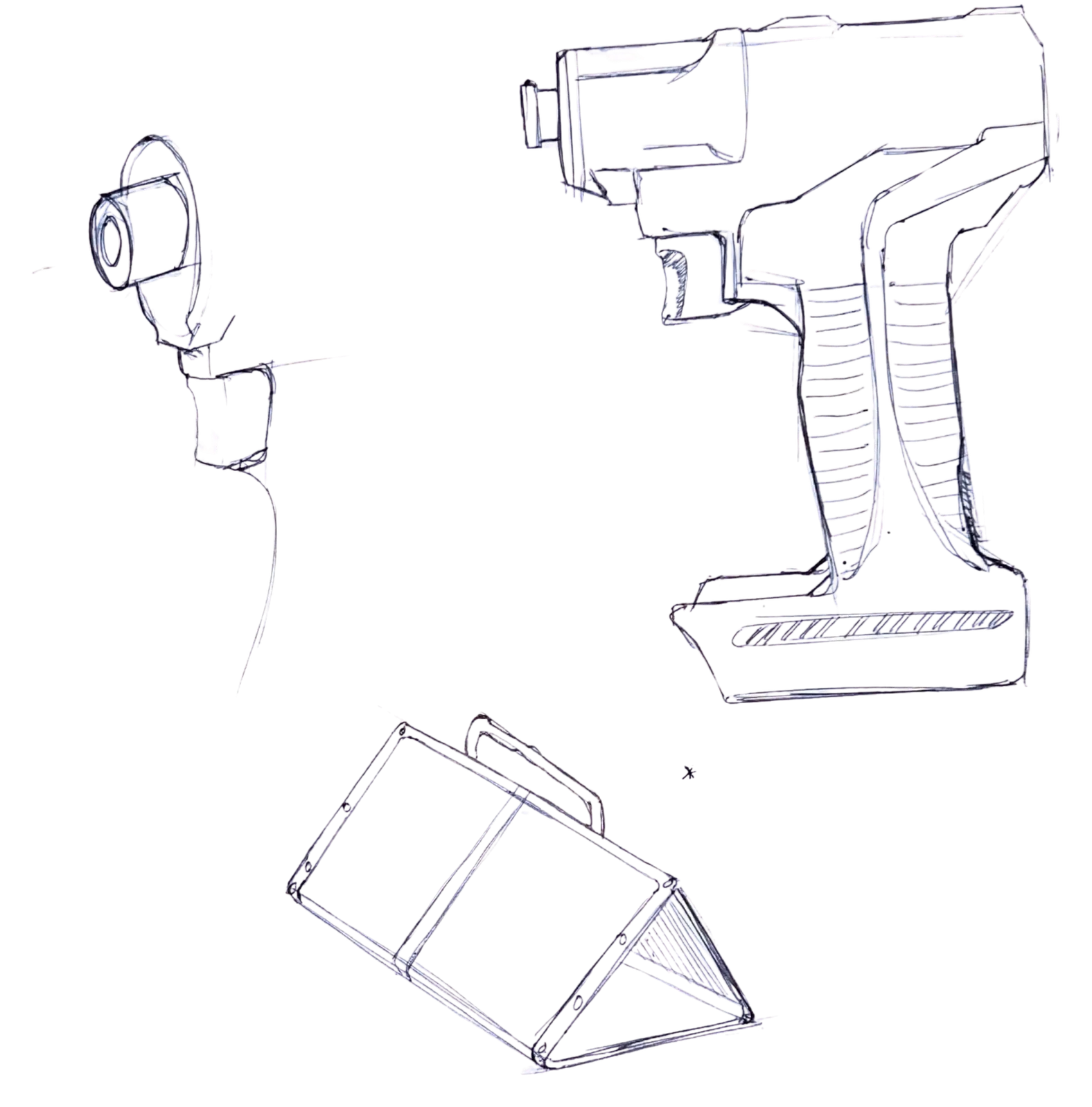
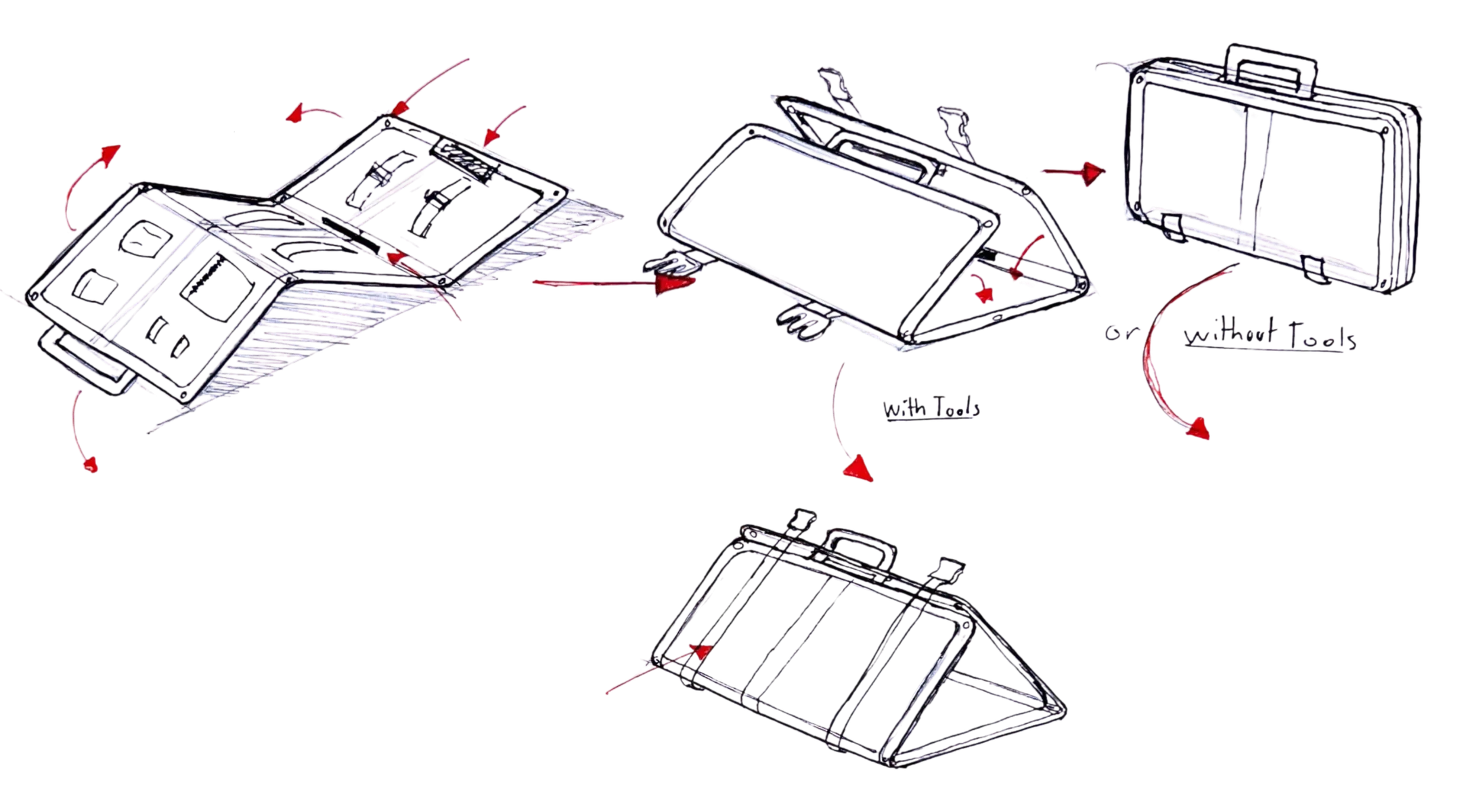
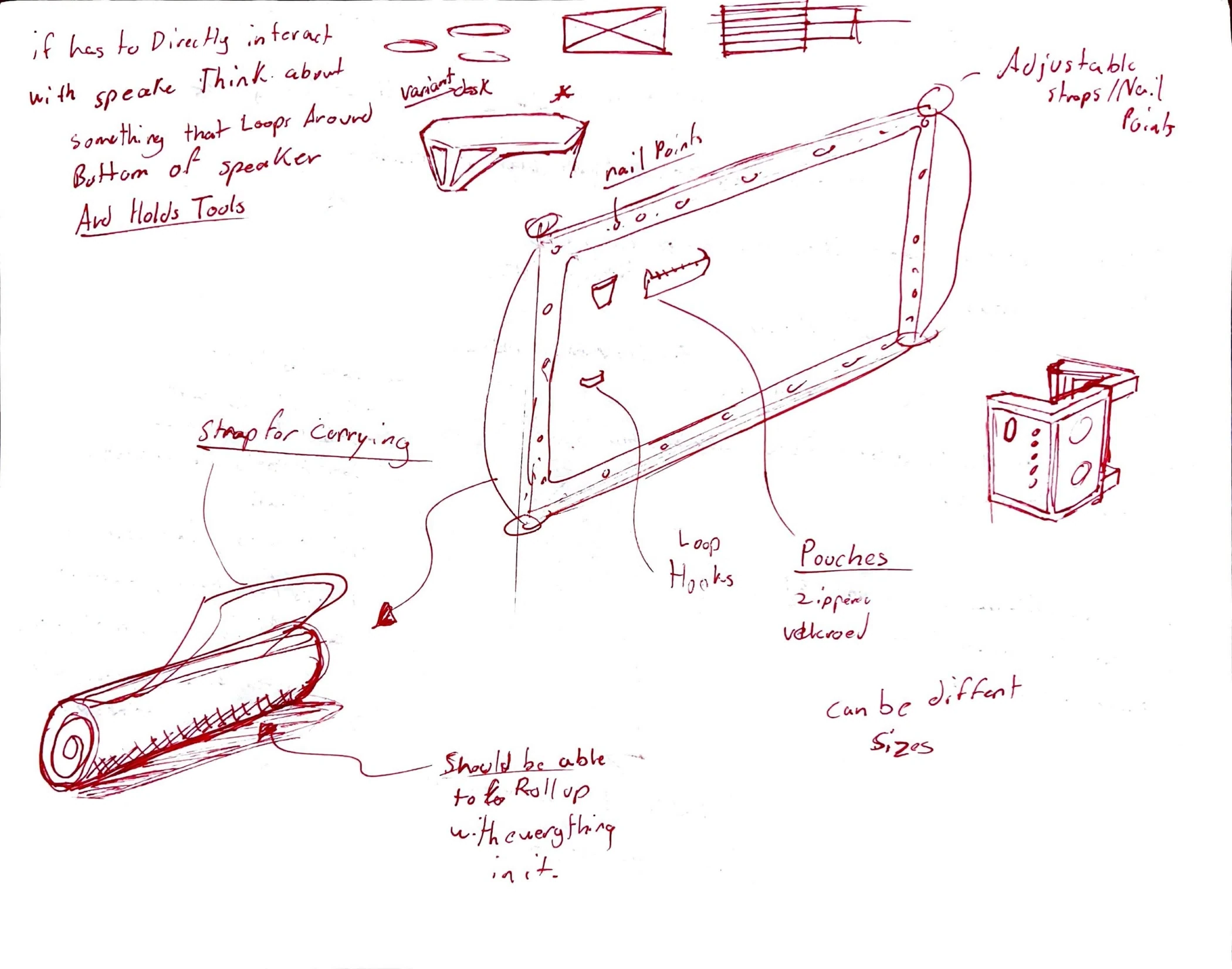
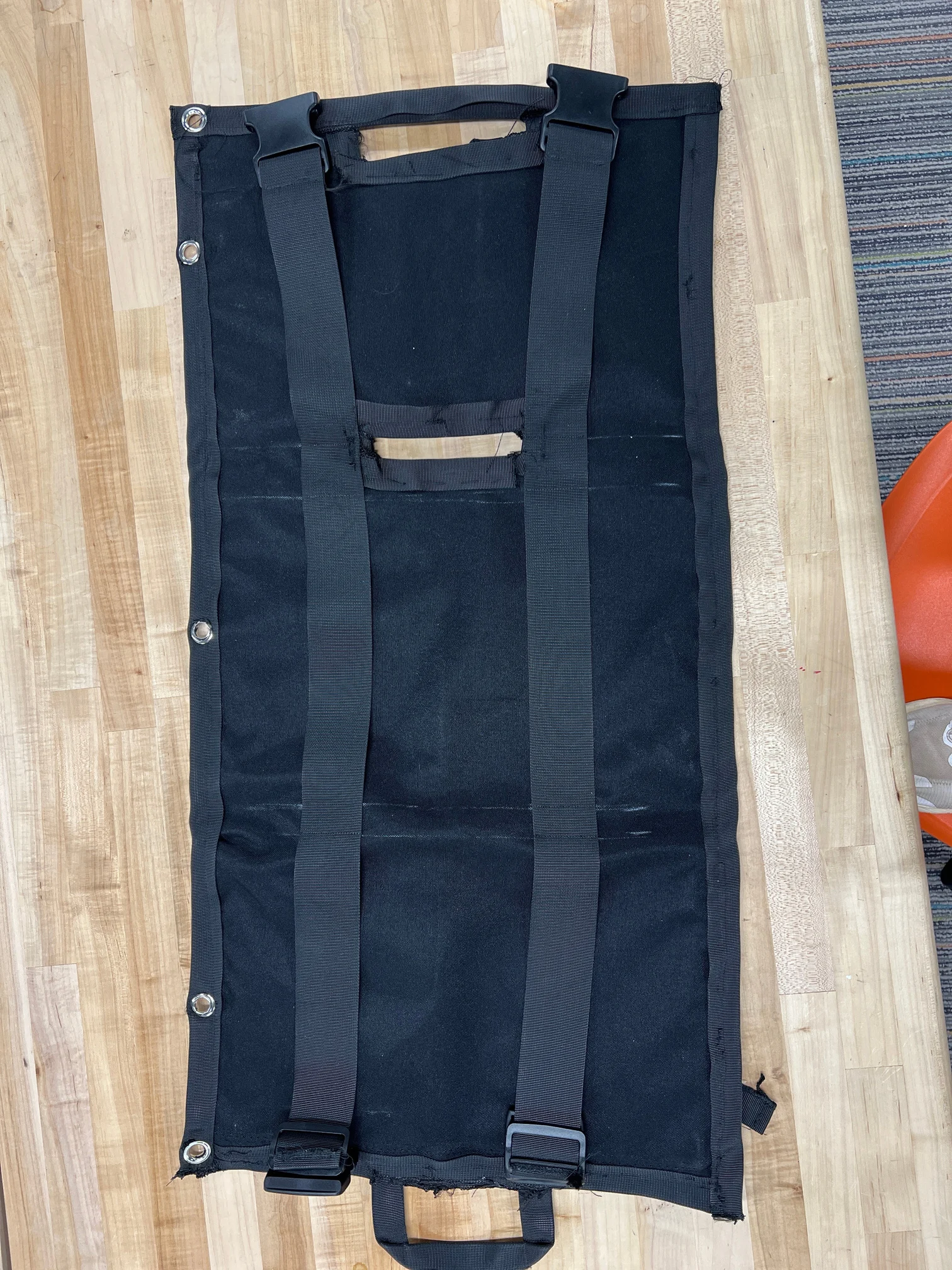
Able to fit onto studs after nails are placed for hanging. Keeps tools and accessories off the jobsite floor. The handle integrates with the speaker for a co-employee workspace.
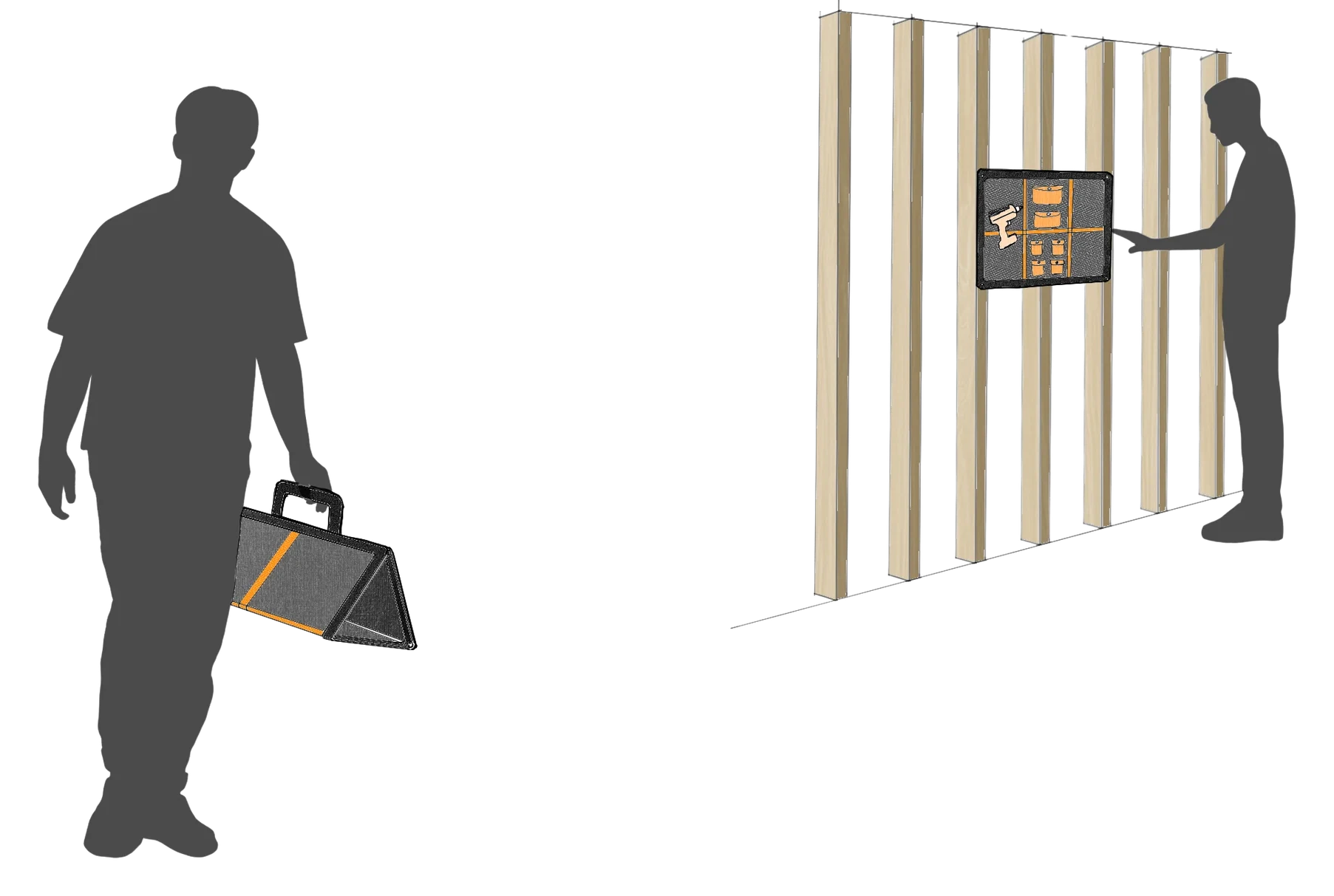
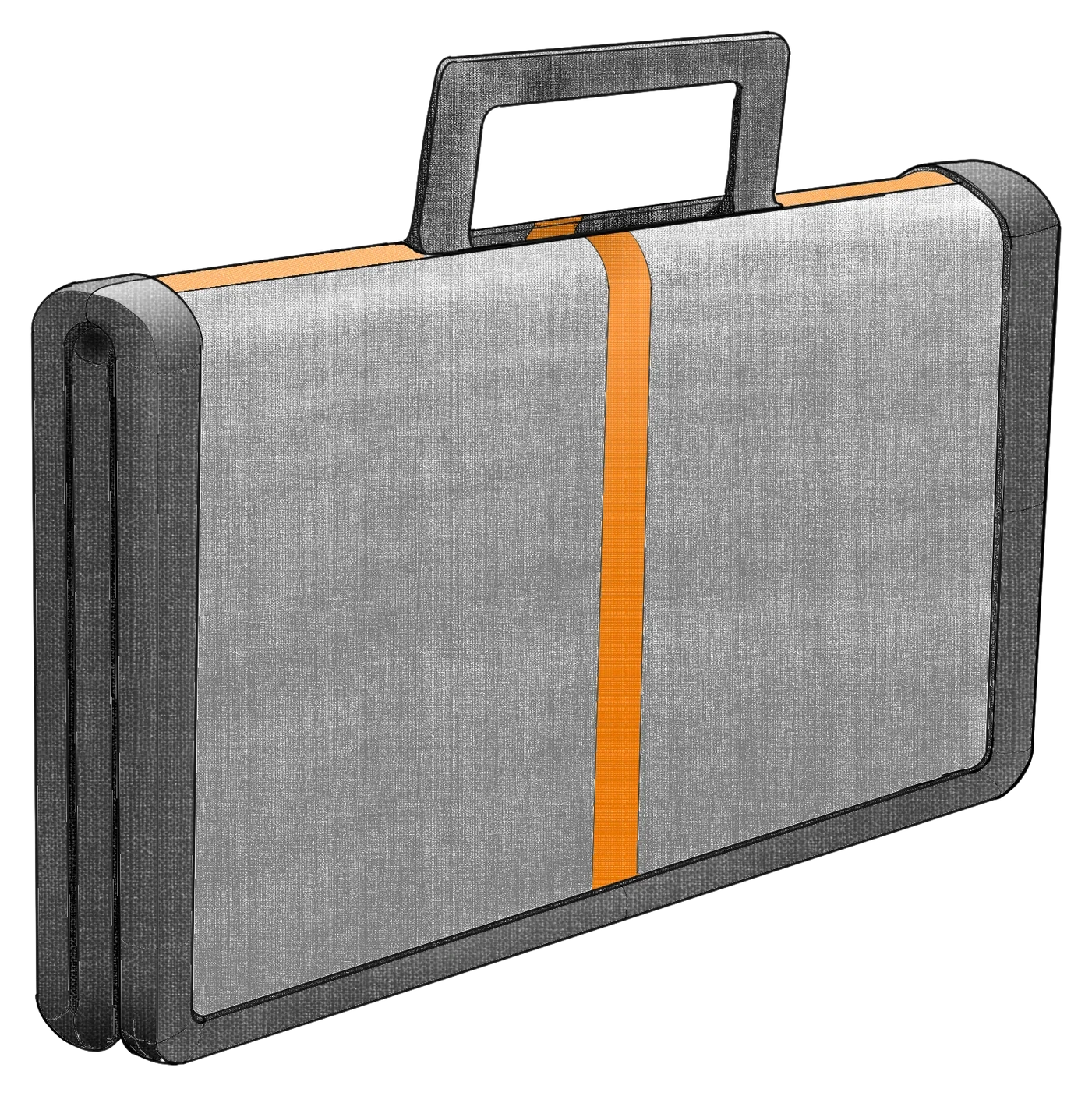
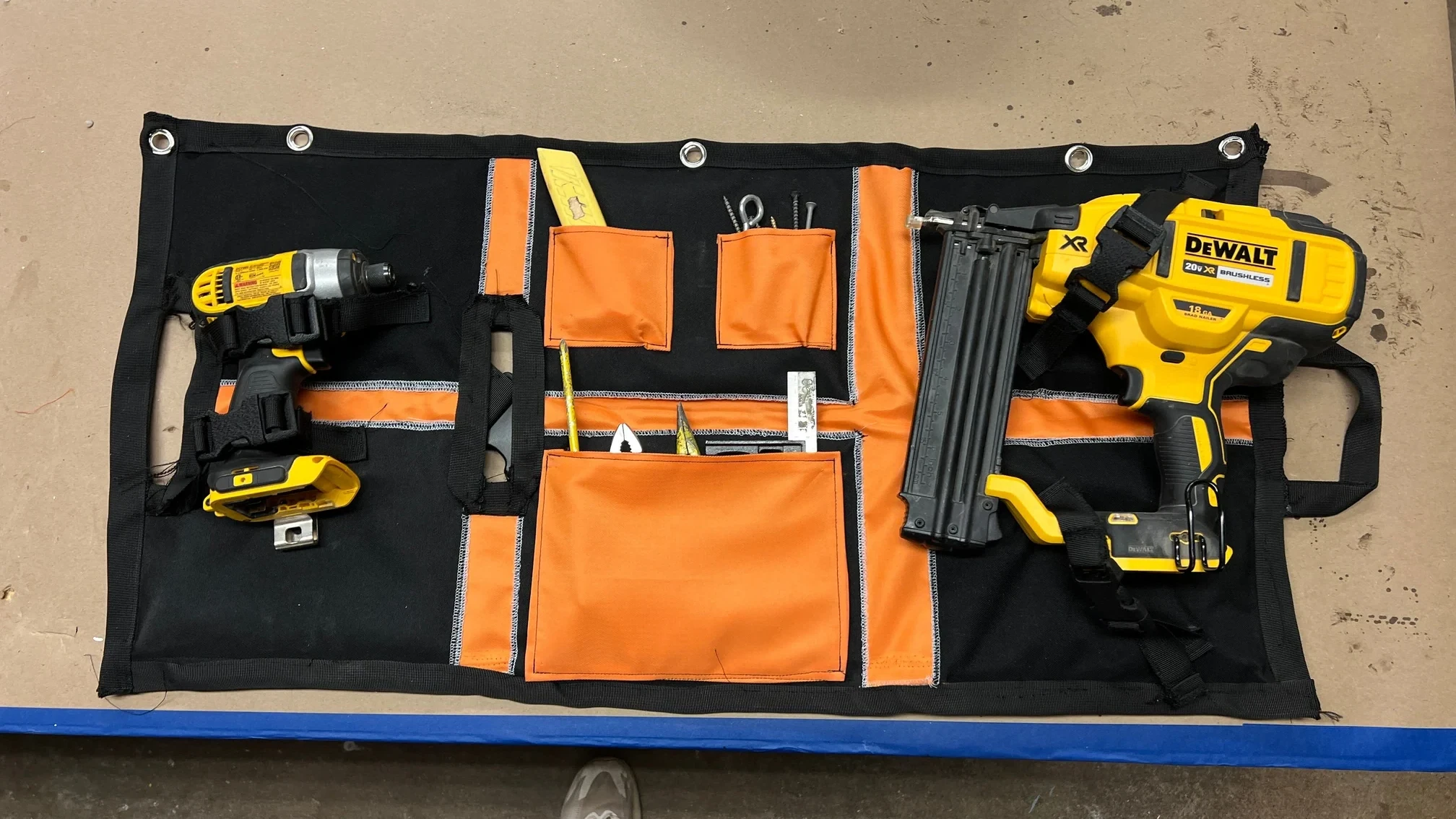
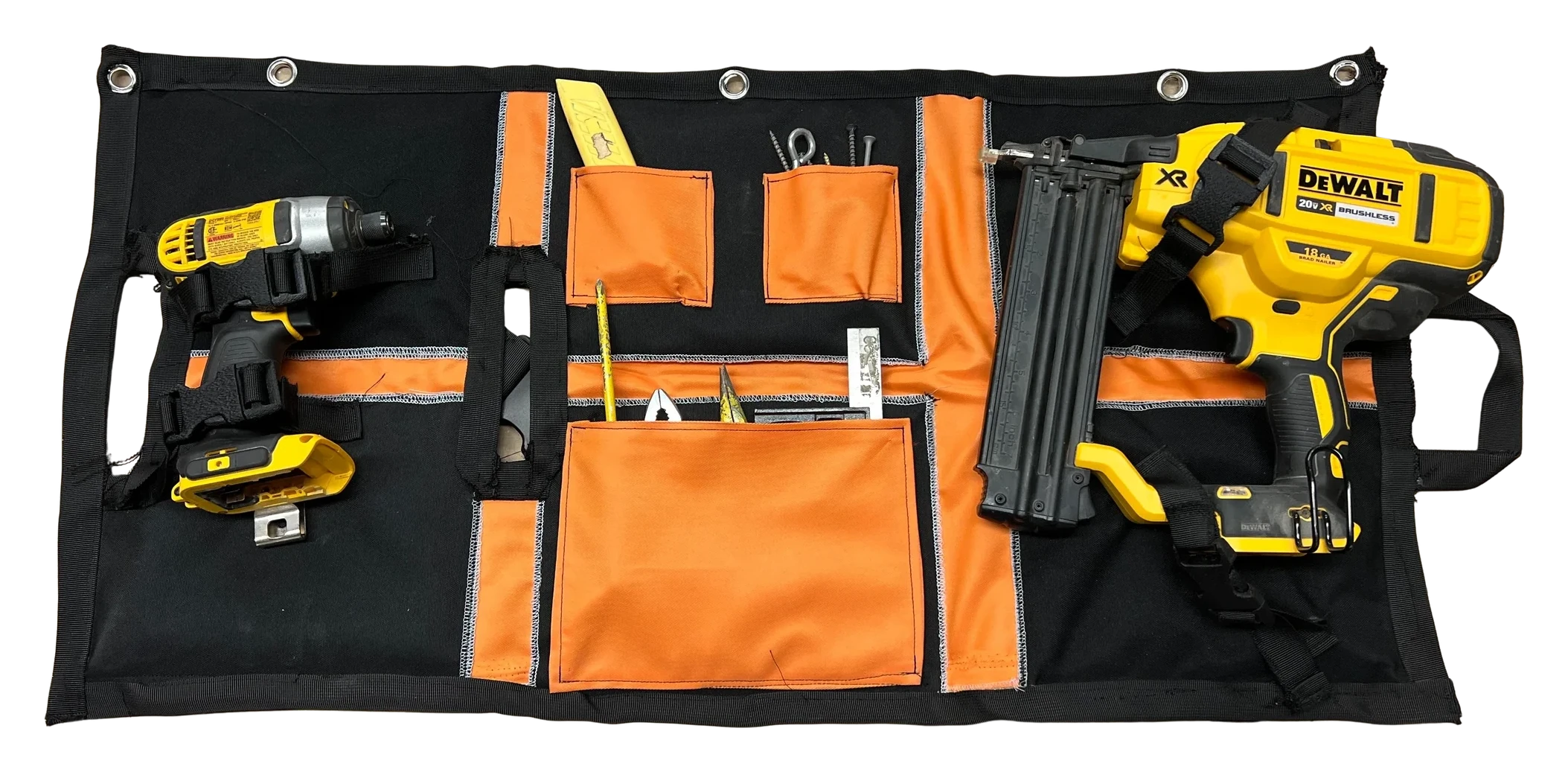
My final design is a trifold, 33″ × 16″ tool roll that folds into an 11″ × 8″ compact form, holding:
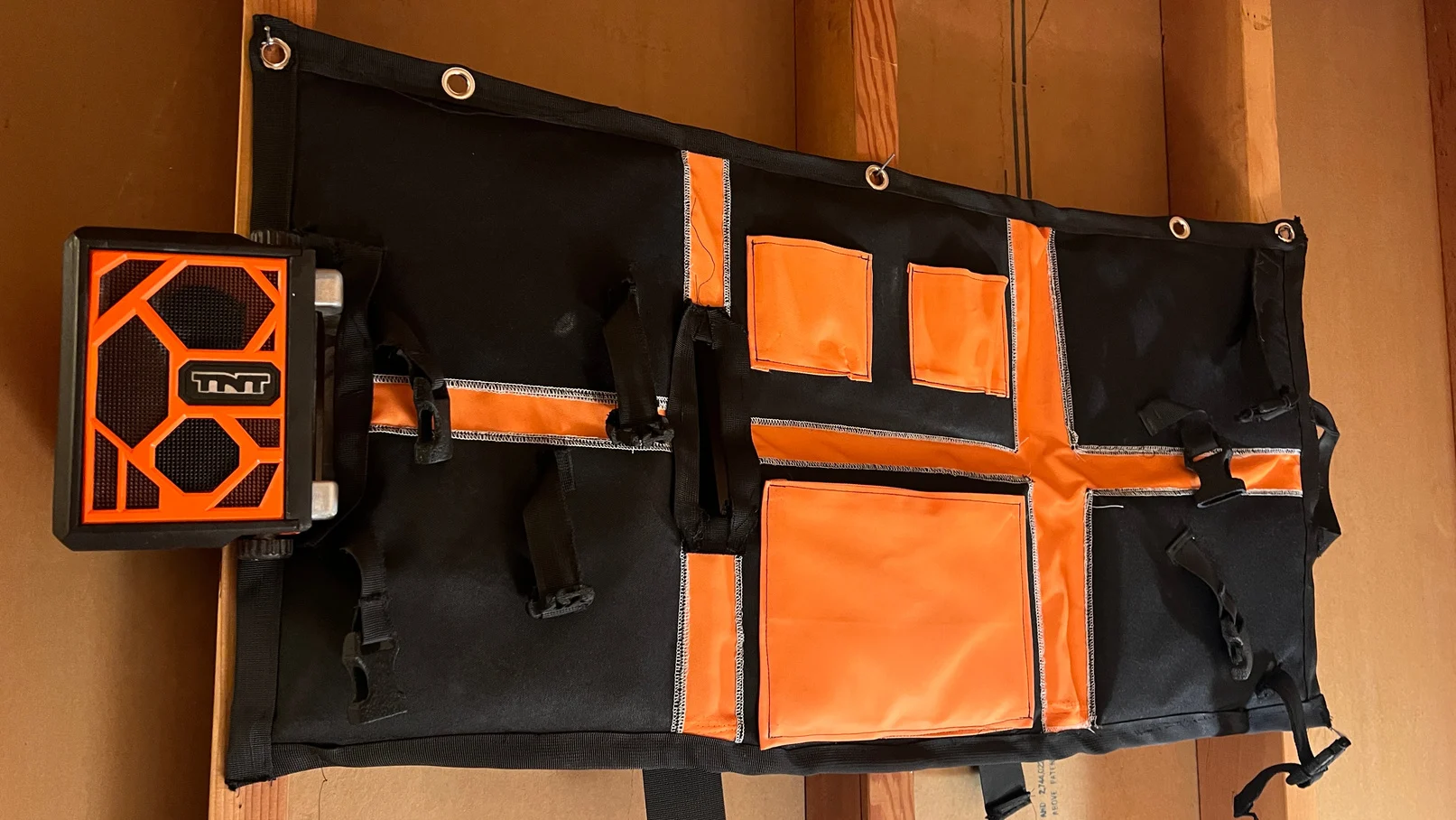
Scholarly research (Backer & Tanenhaus) on textile geometry informed Cordura use. Research (Forteza et al.) on job-site complexity reinforced the need for clutter reduction.
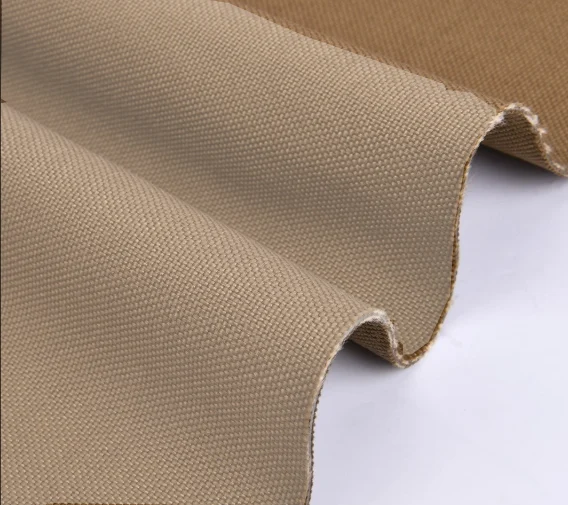
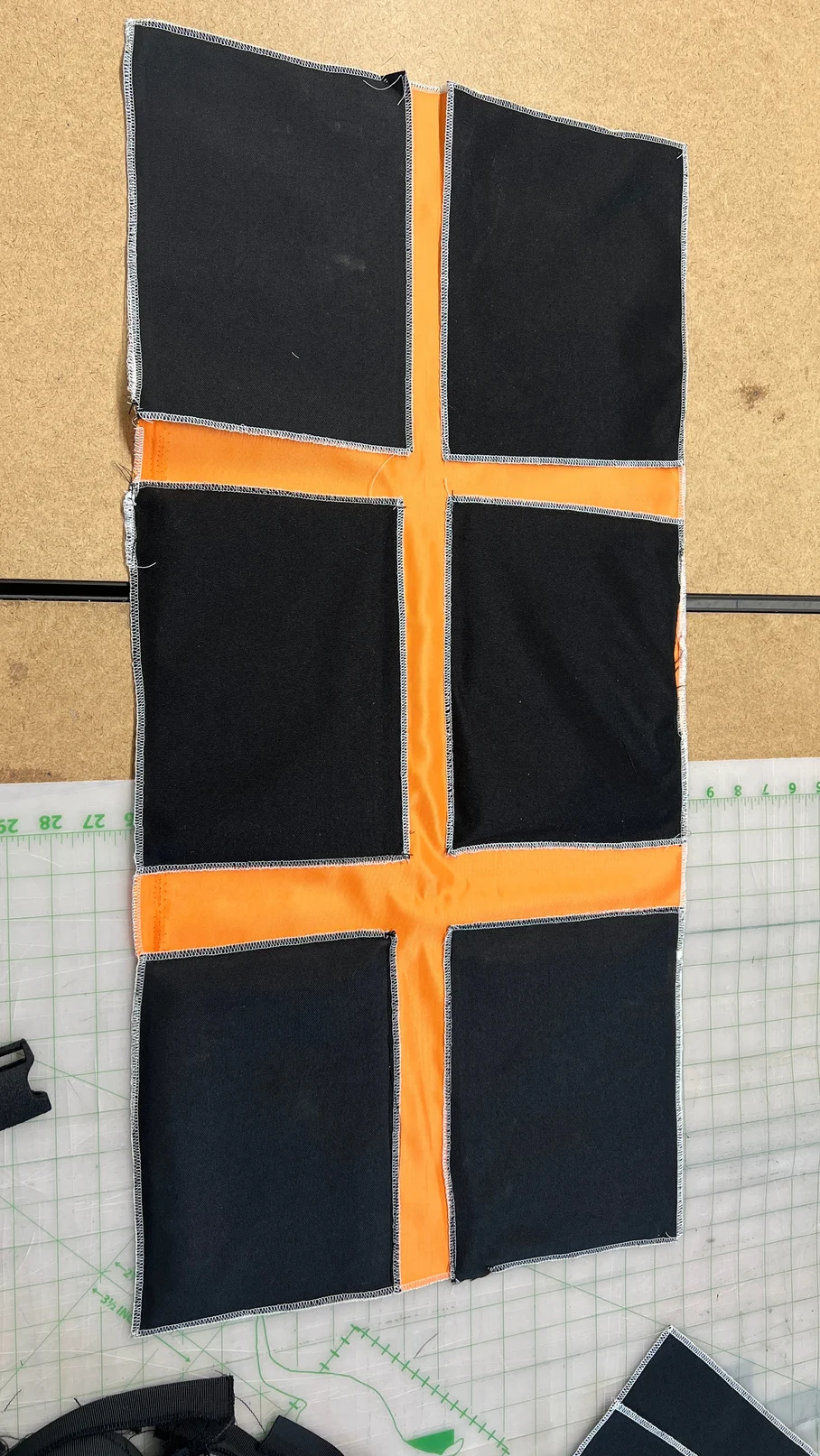
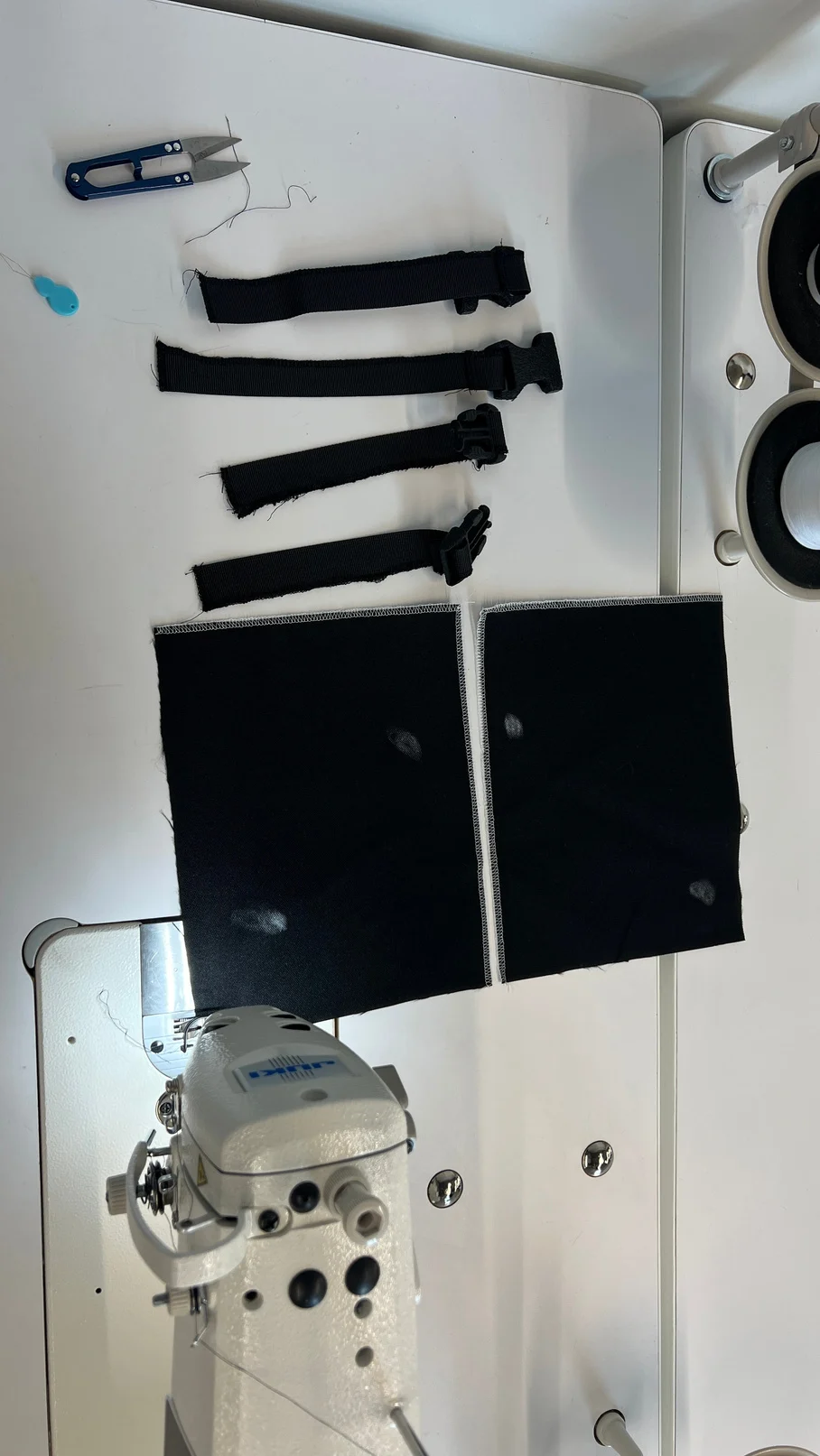
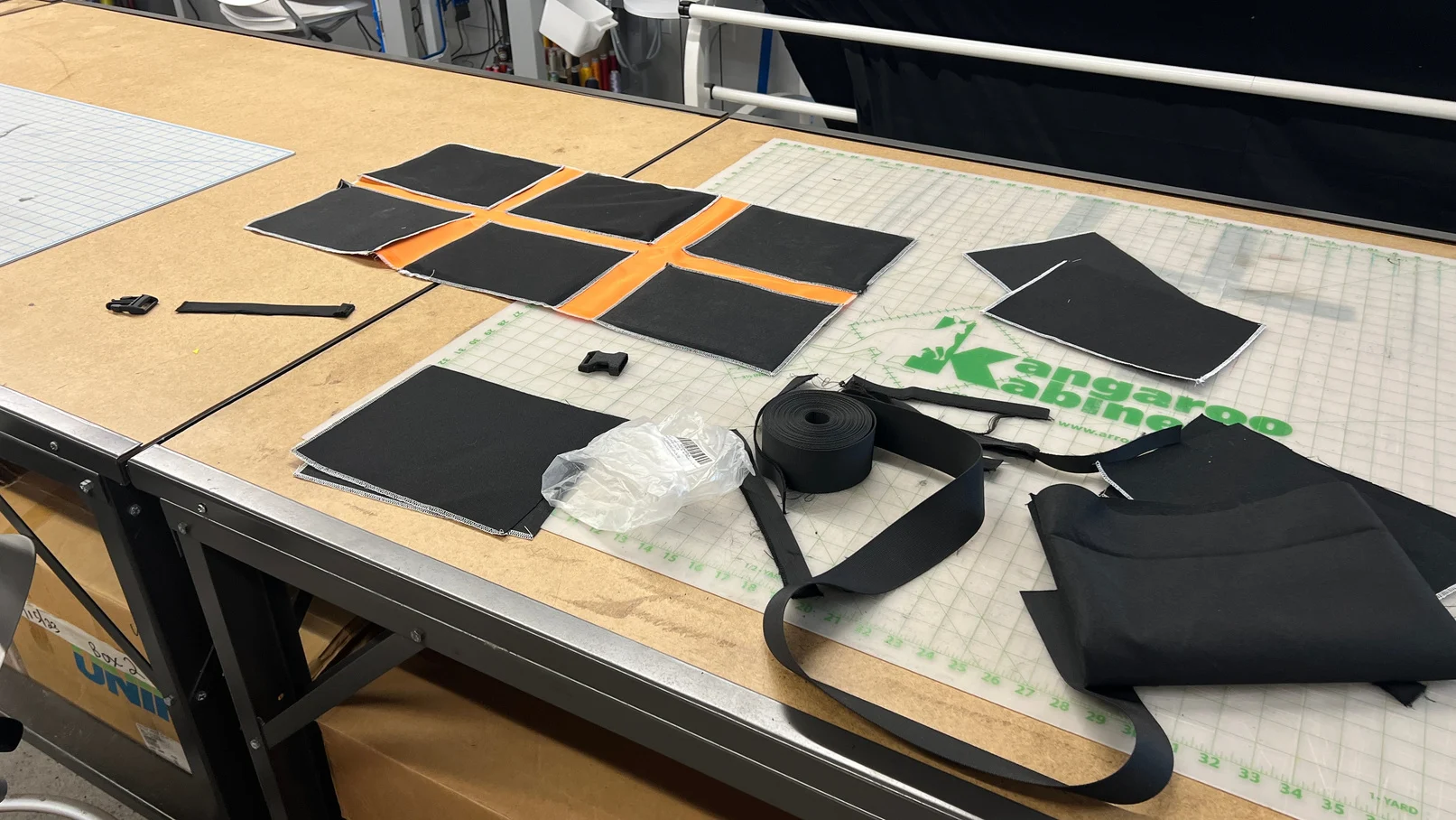
My first prototype taught me about seam allowance, thickness, and construction order. The final prototype is stronger: it folds smoothly, hangs securely, and holds tools firmly.
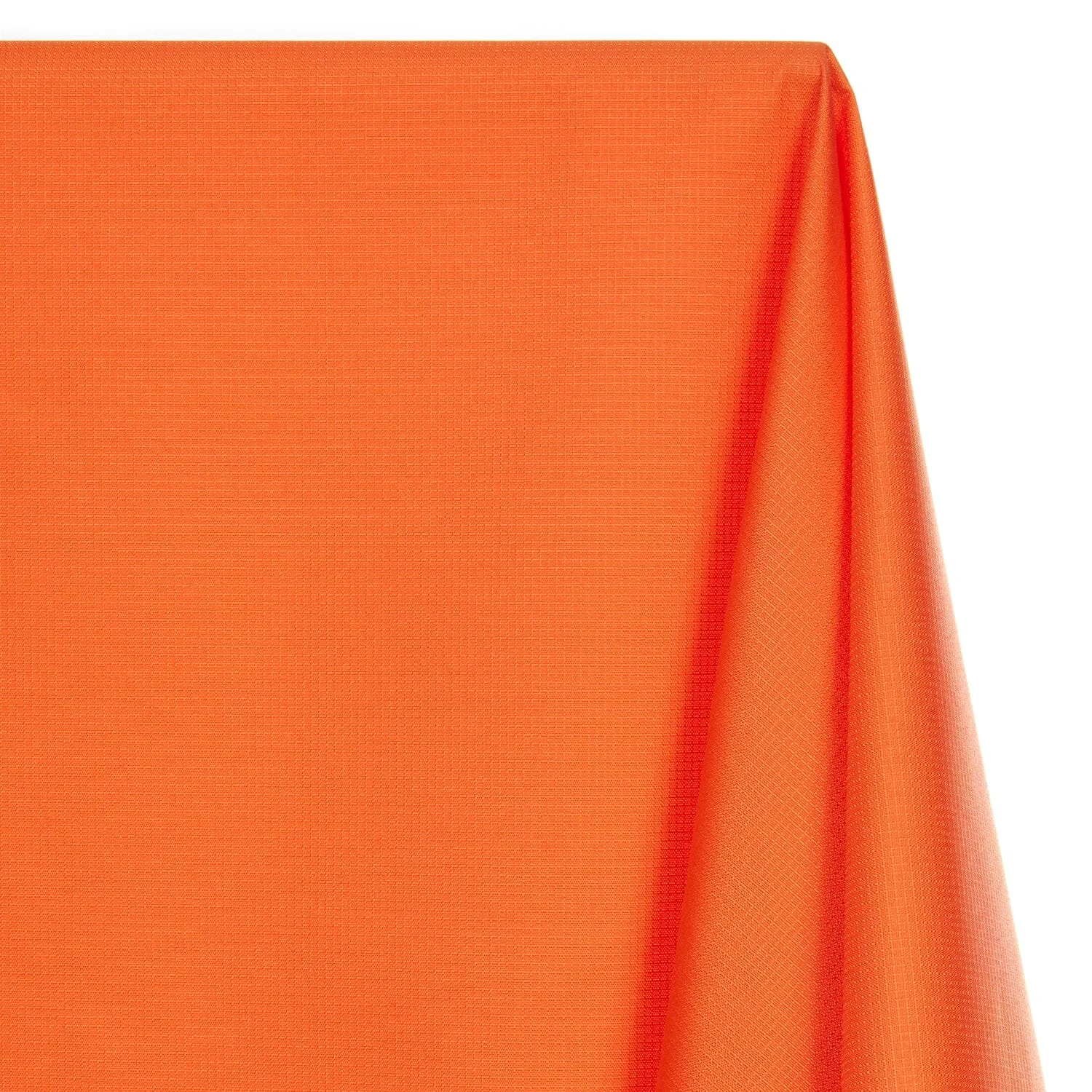
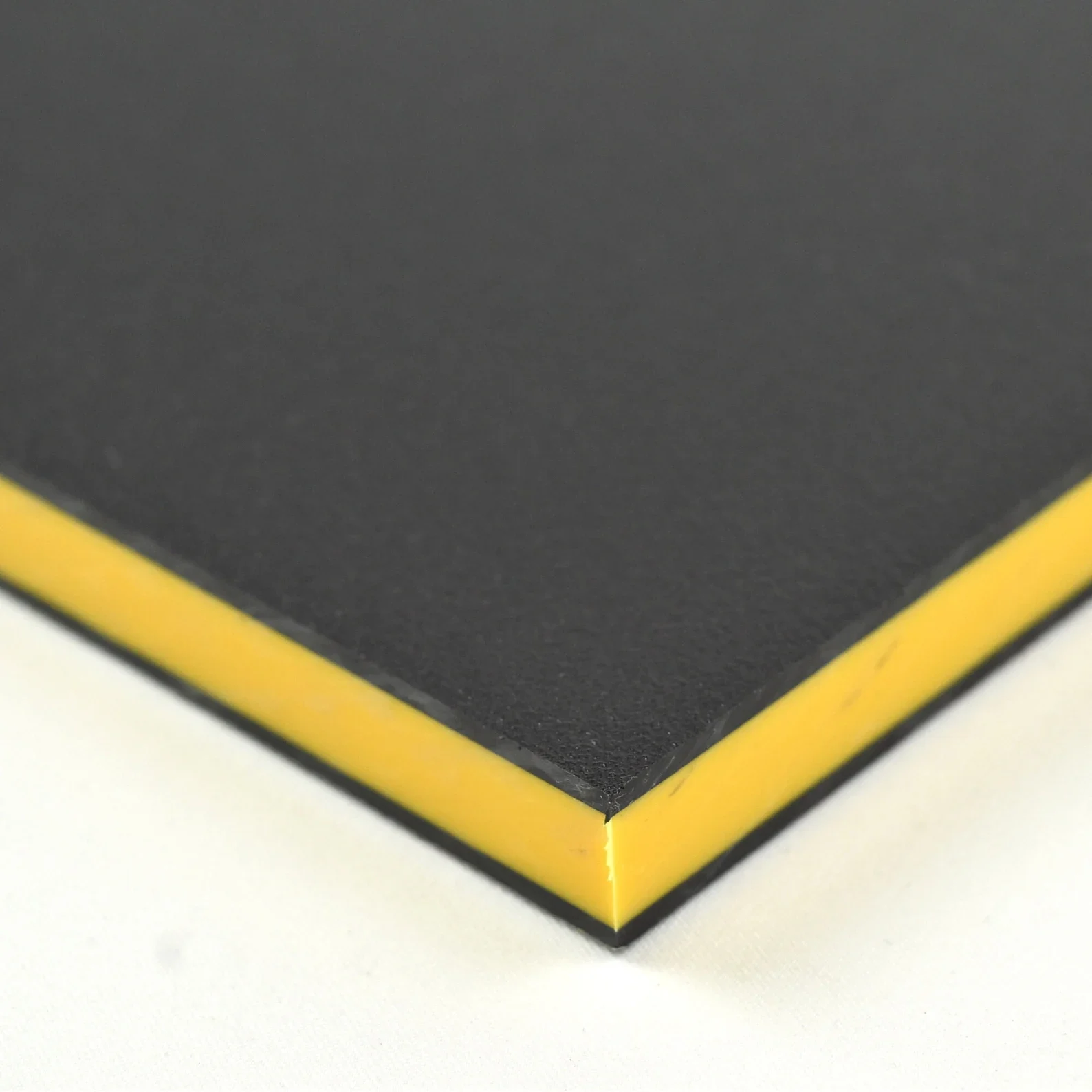
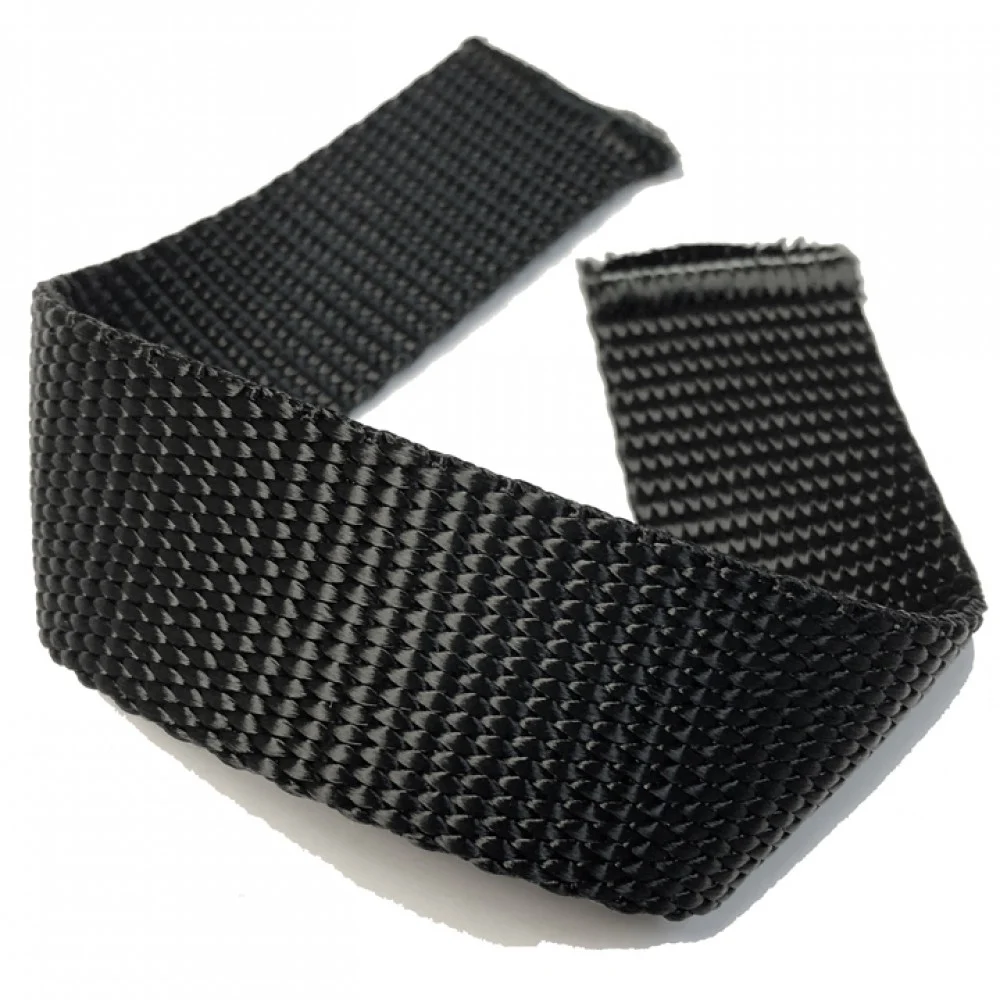
Most construction was done by having a main 33″ × 11″ orange ripstop frame, and then layering Cordura 1000D on top of it once all attachments were on the cut pieces. The Cordura 1000D pieces are then attached to the ripstop base and sandwiched around the HDPE to conceal it securely. The final step is to cover all open areas with nylon webbing.
What the first loaded prototype showed.
Bag is heavy when fully loaded (expected).
Handle and eyelets successfully supported full load.
Straps effectively secure drills and drivers.
Middle pockets need improved tightening for smaller tools.
I learned a lot about soft goods construction, from how materials behave to how to plan the stitching. I learned to combine structured and flexible fabrics, add hardware, and mix several materials in one fabric product.