From studio idea to Demo Day.
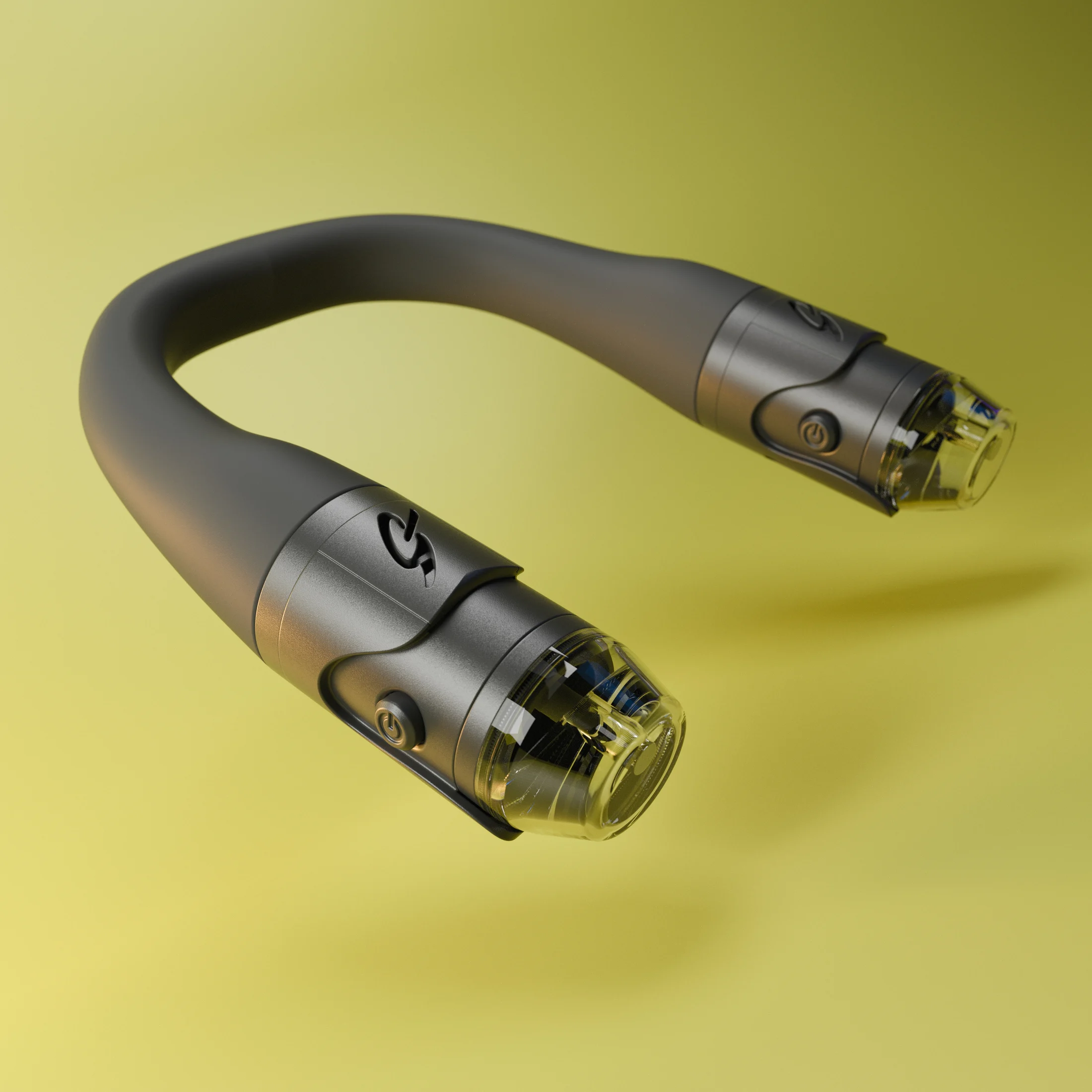
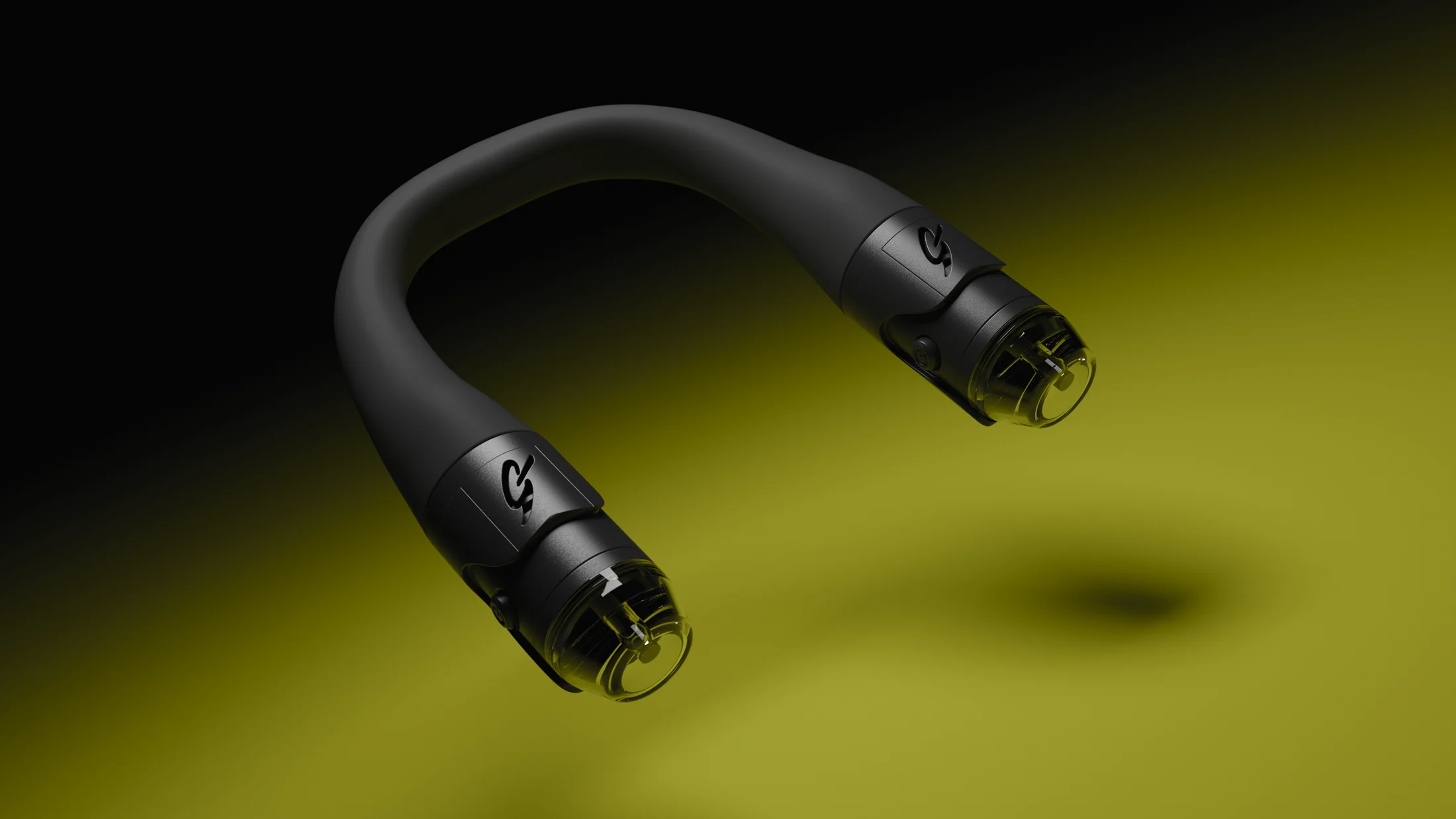
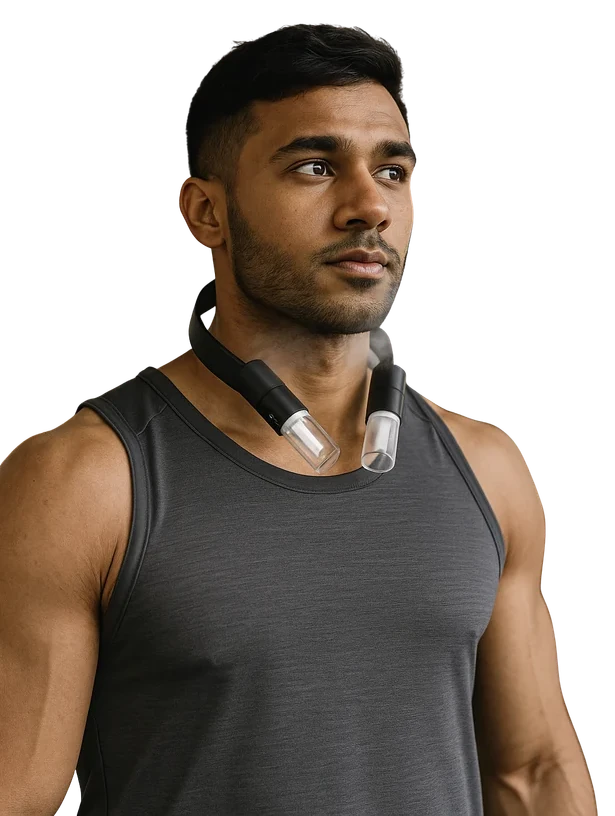
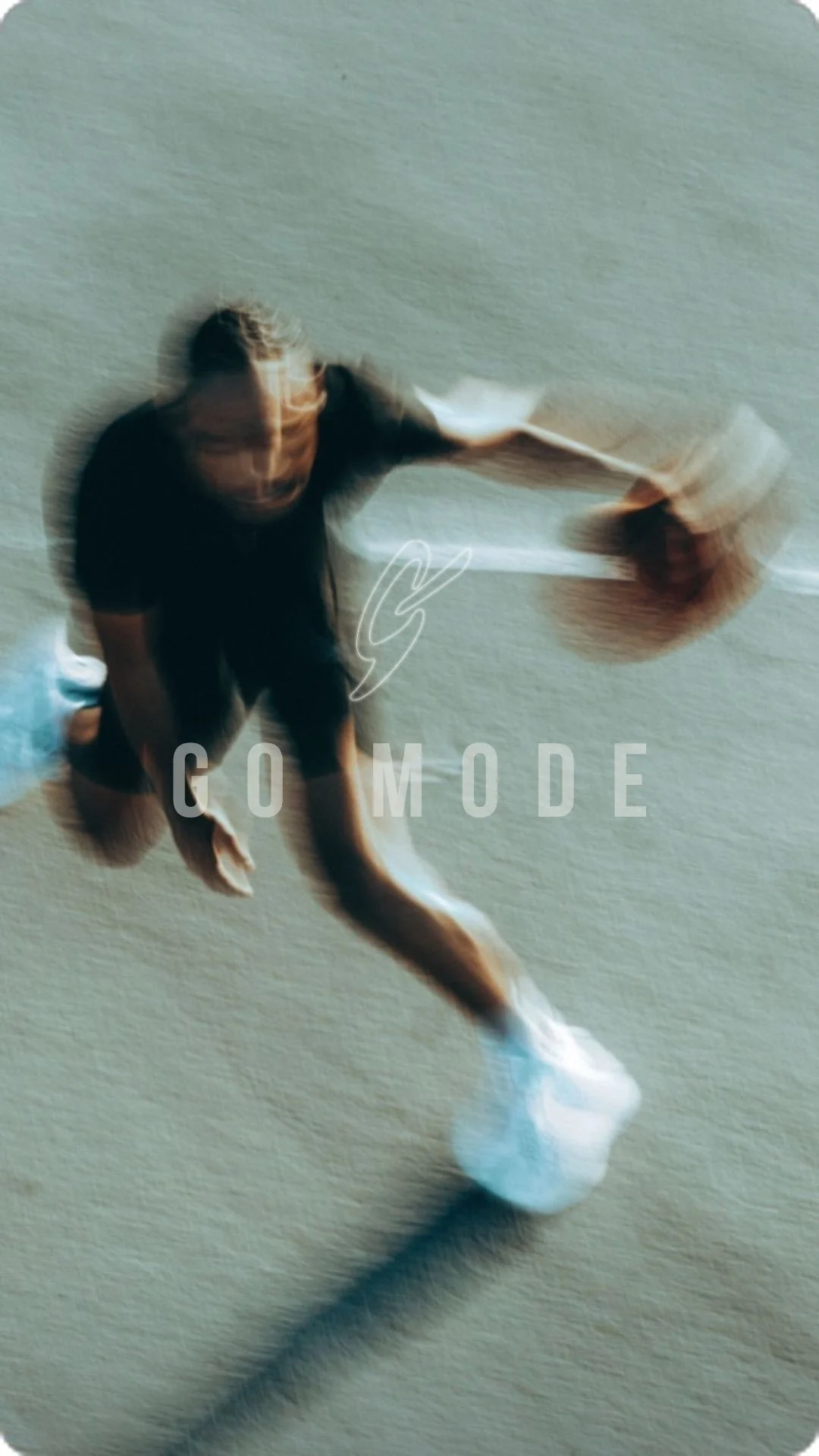
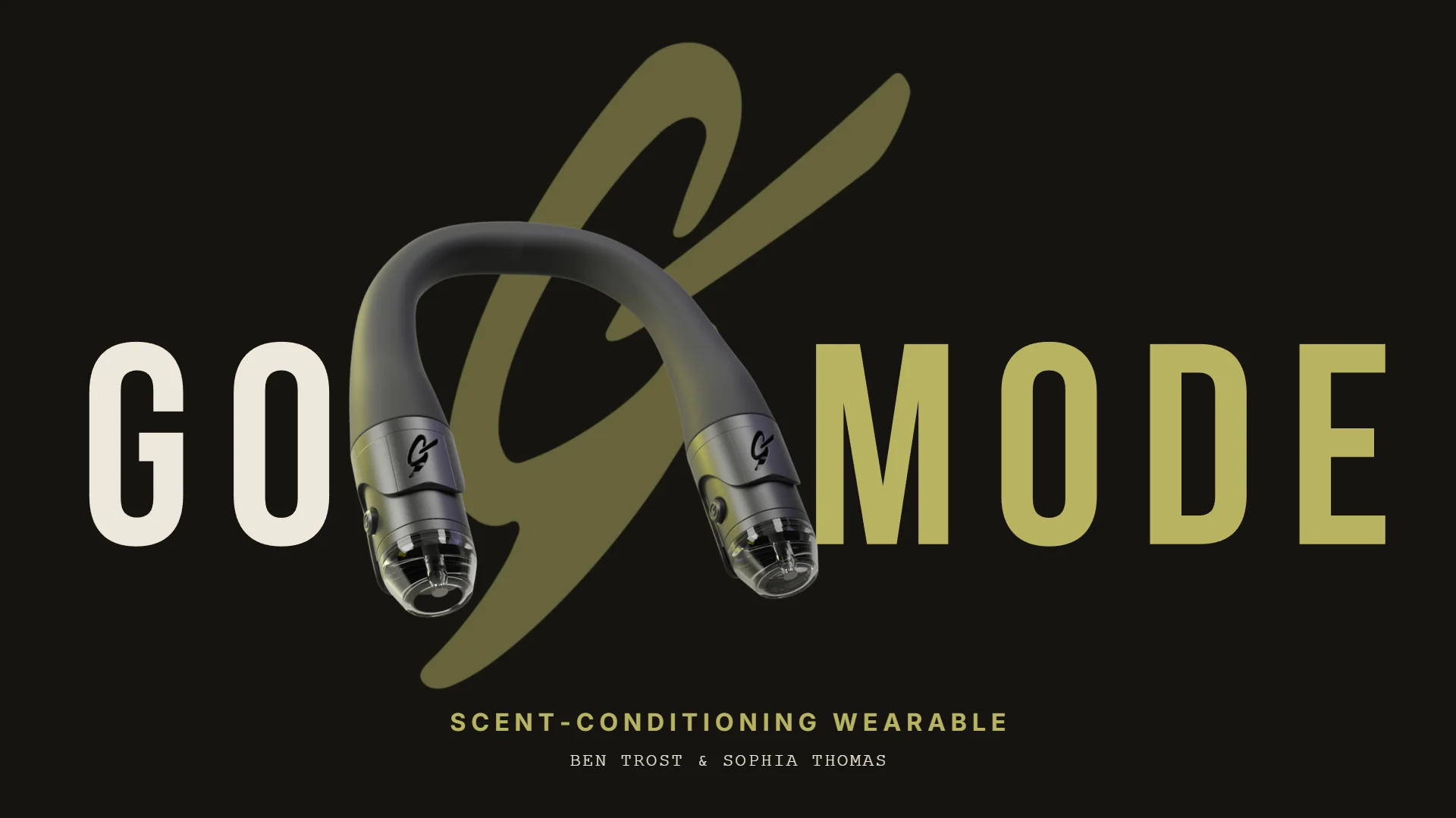
CYstarters + Go Mode: a scent-conditioning wearable, taken from a class idea to a working prototype over one summer.
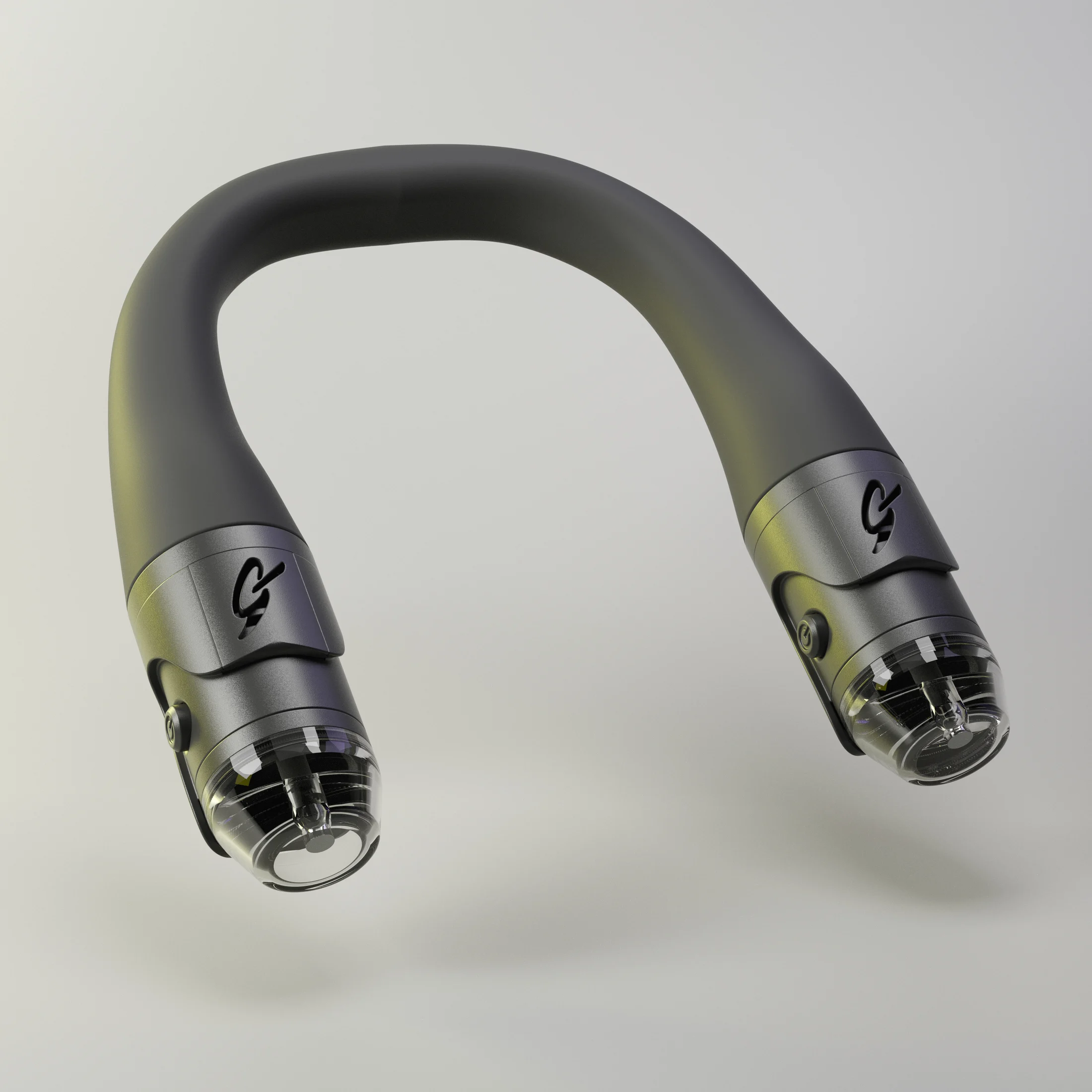
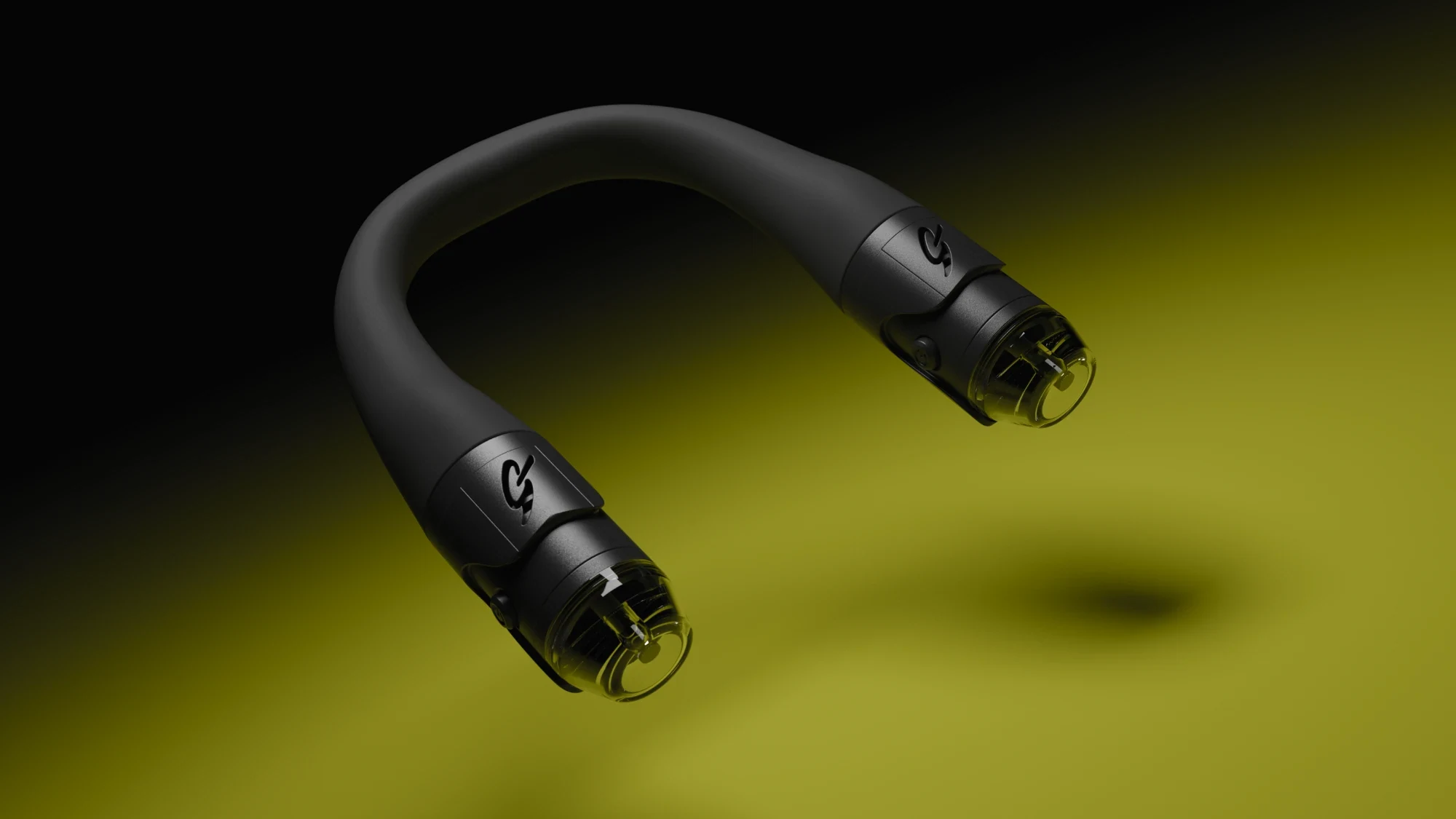
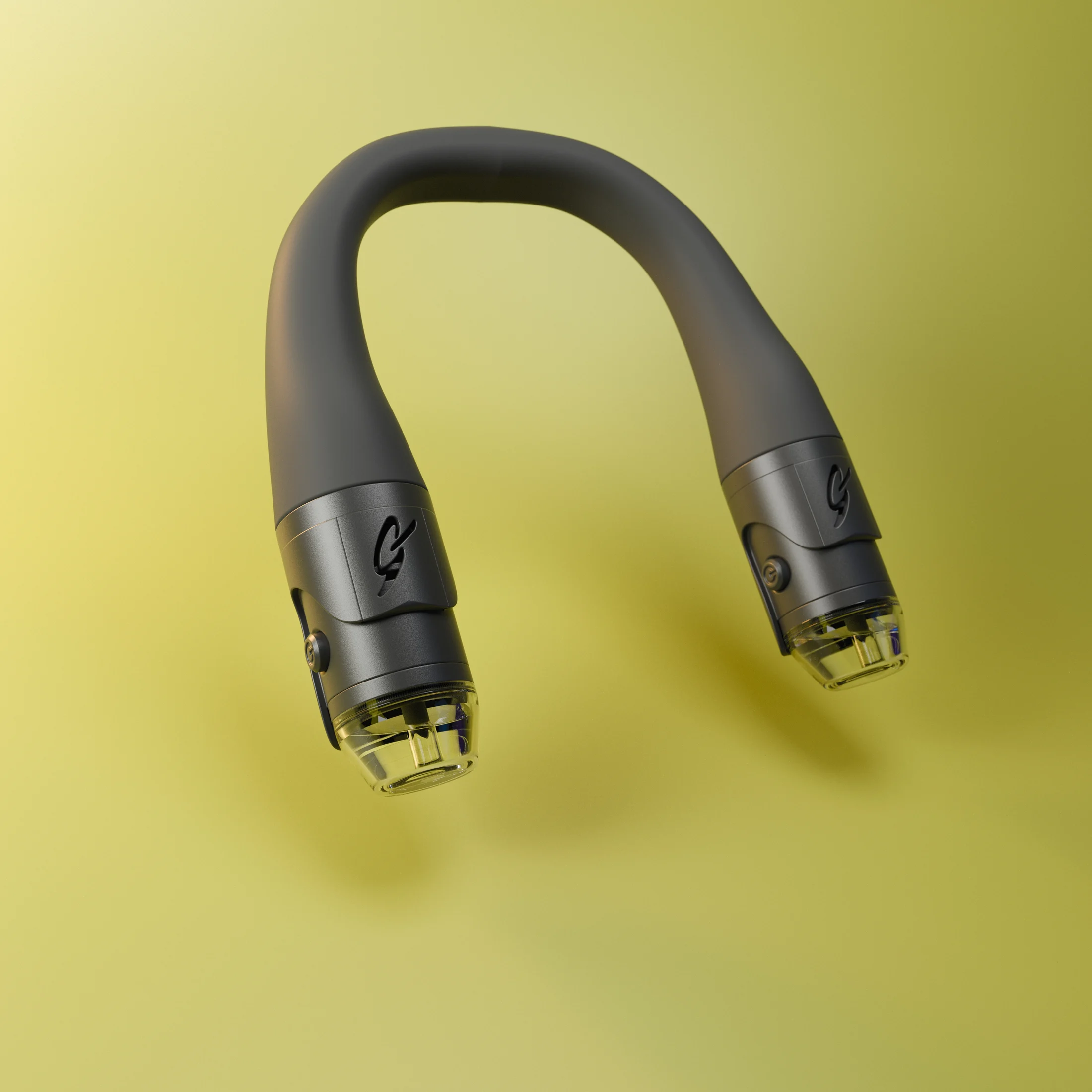
My role was industrial design and hardware, from the enclosure and scent pod to the battery arrangement and neckband.

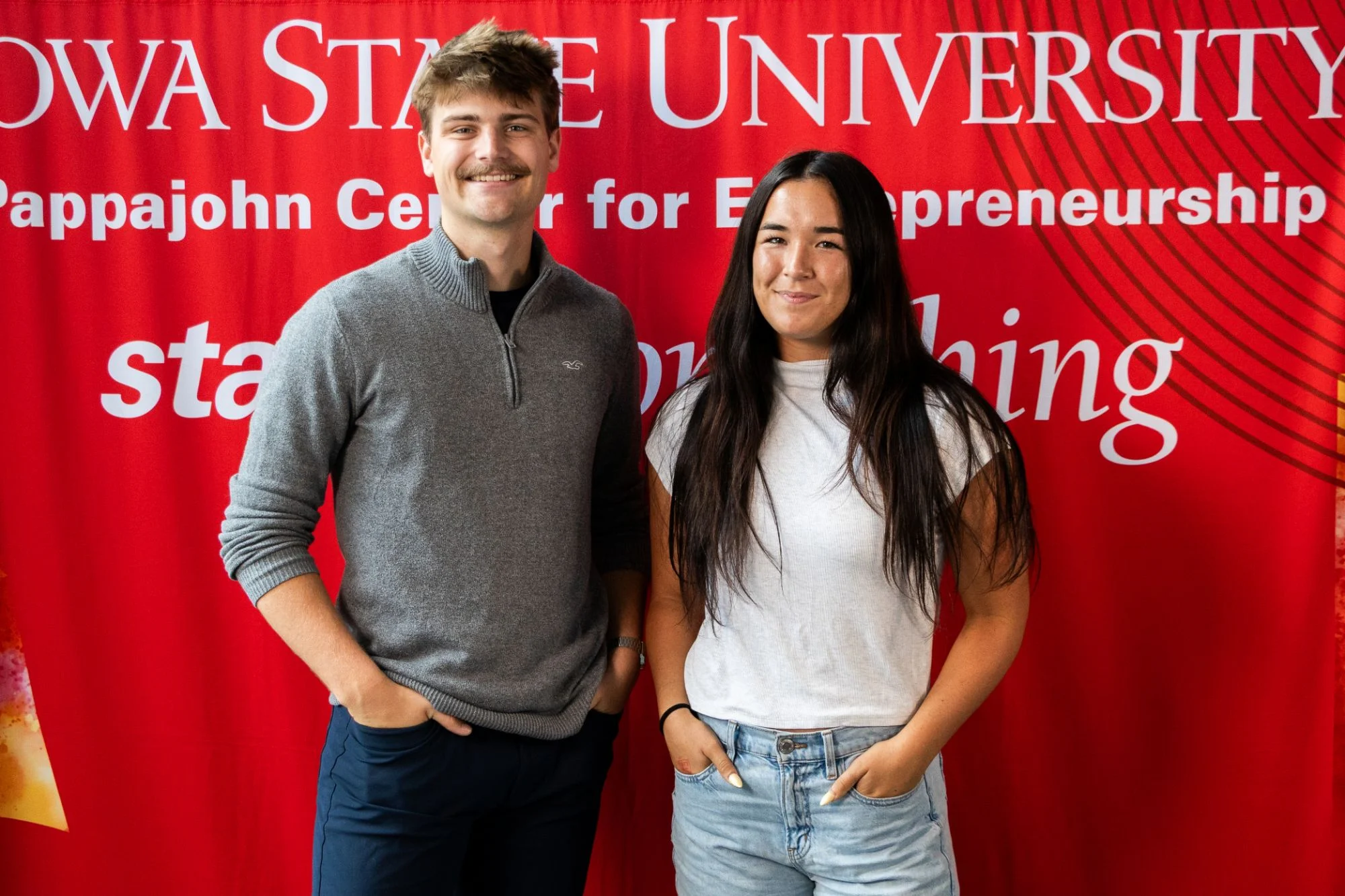
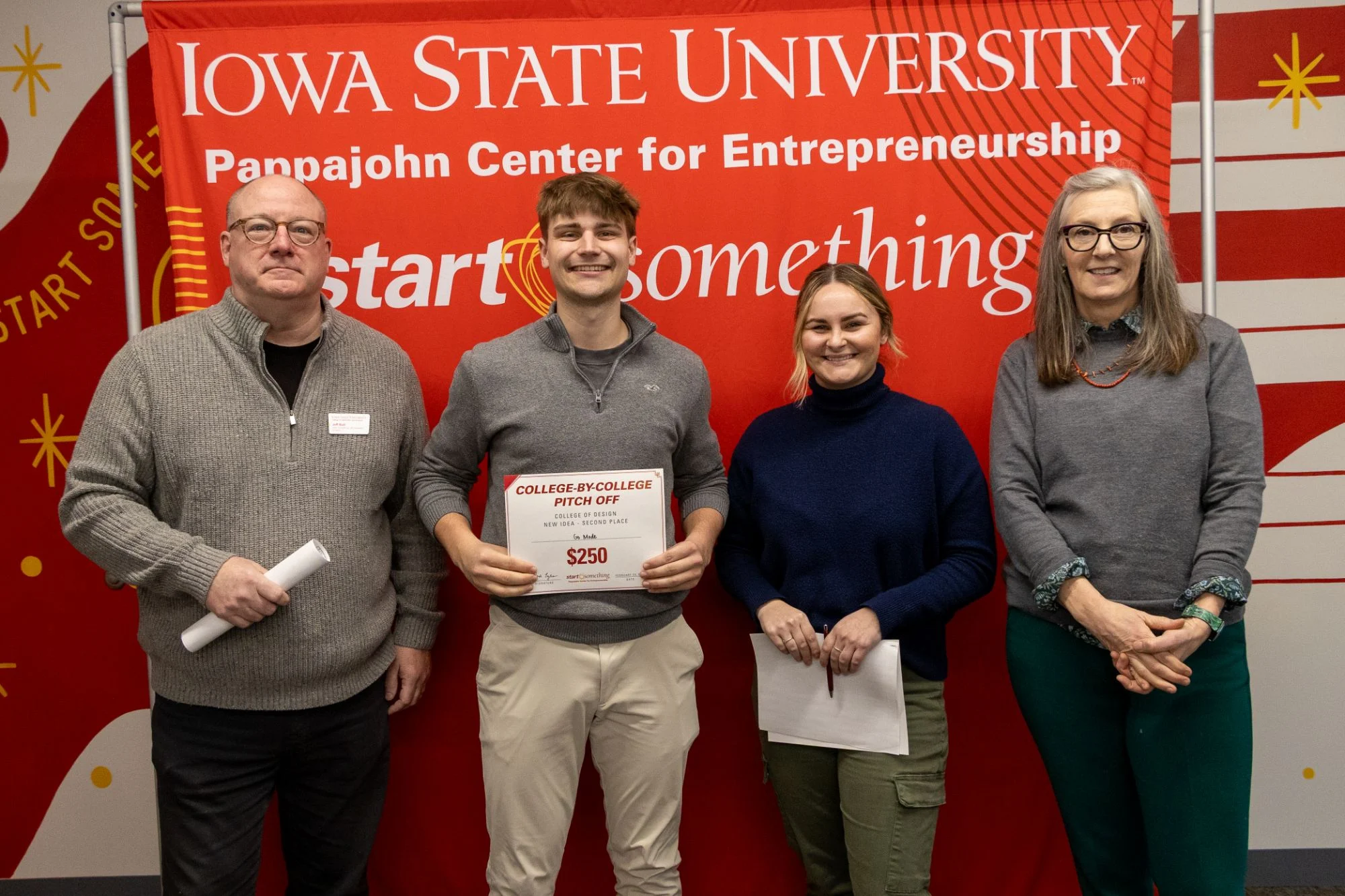
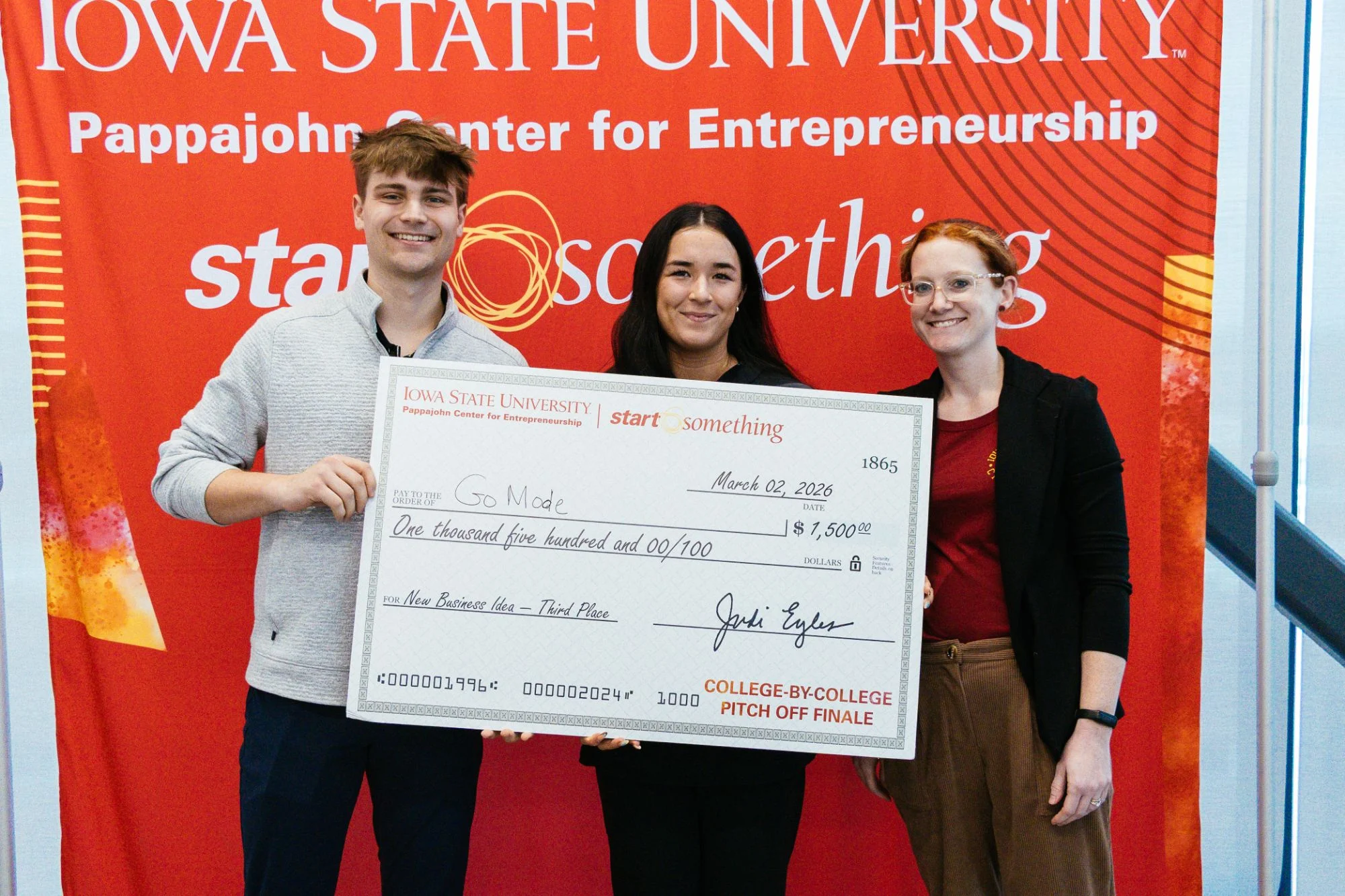
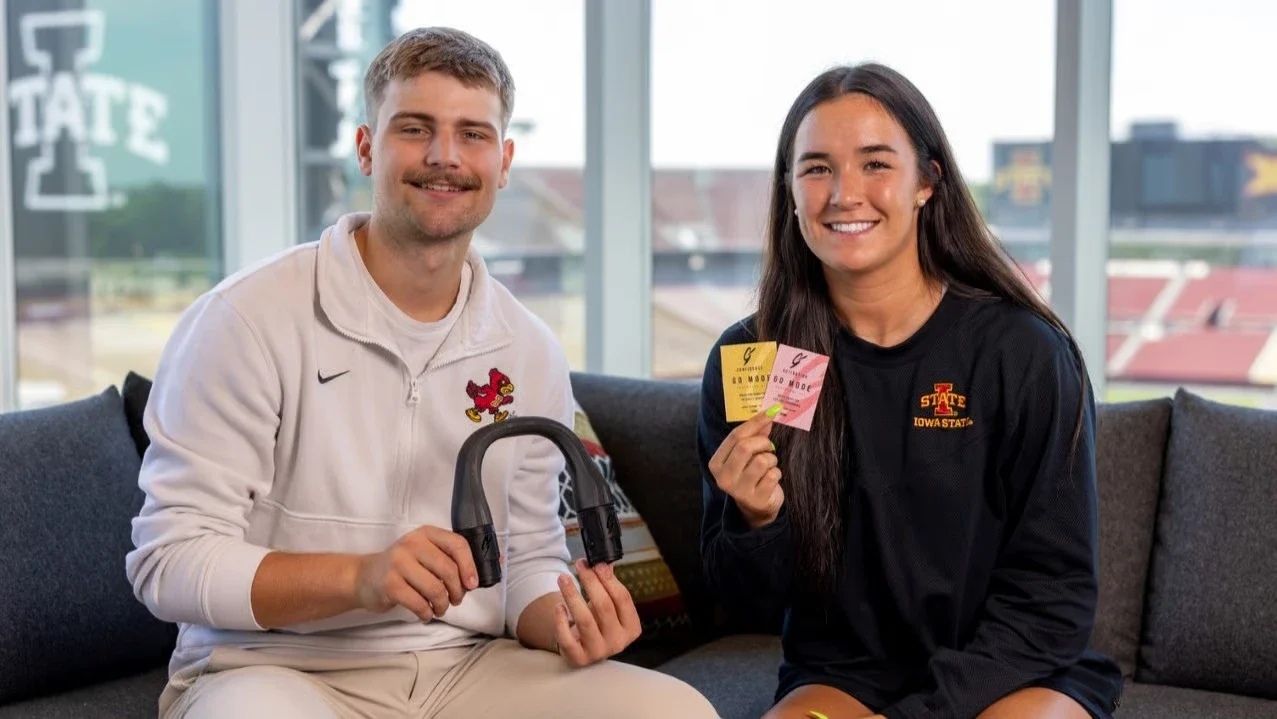
Go Mode began as a studio project with my co-founder, Sophia Thomas. We pitched it in Iowa State’s College-by-College Pitch Off, where it placed third in the new venture category and received a $1,500 award. The win helped us get into CYstarters.


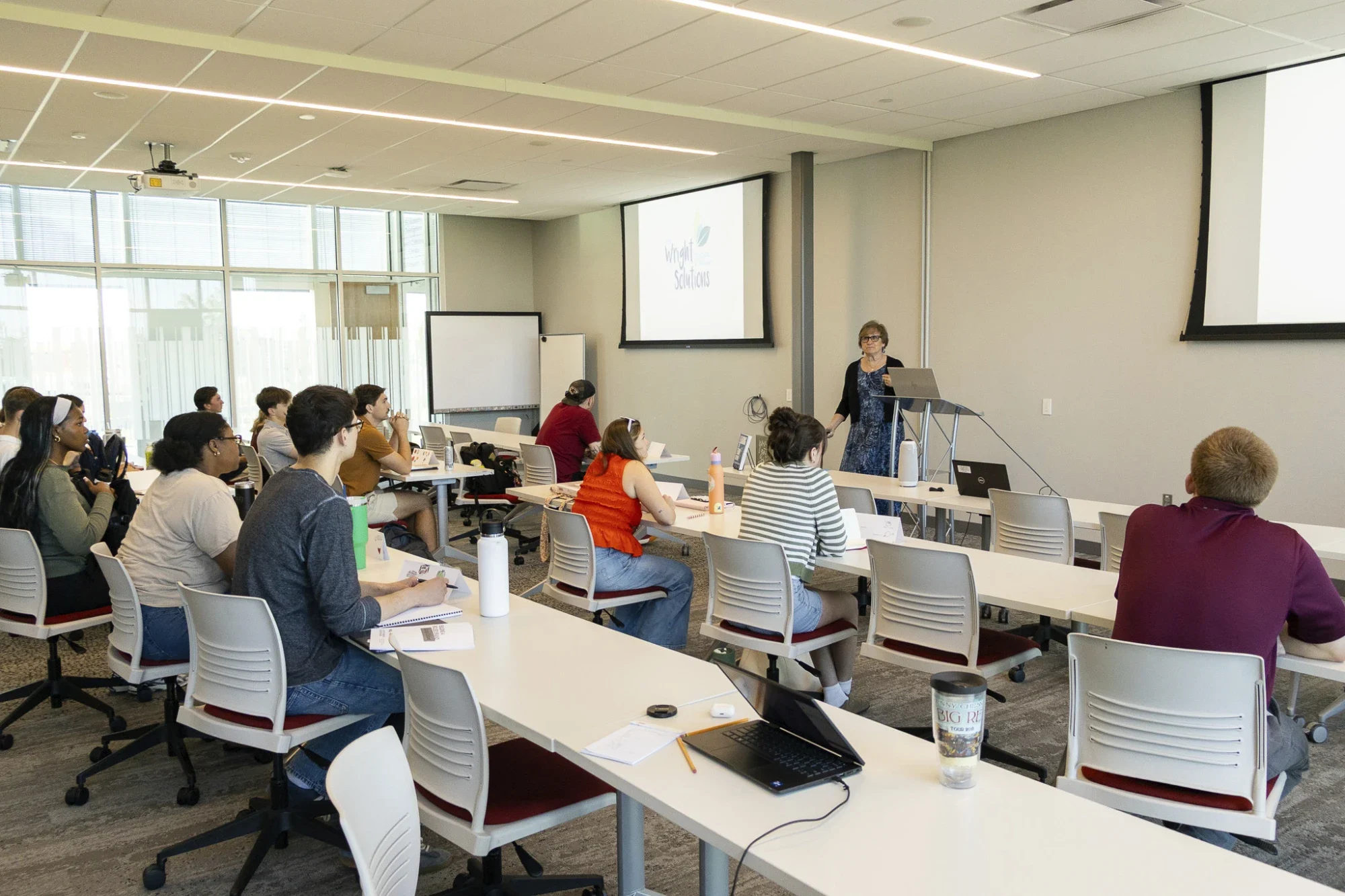
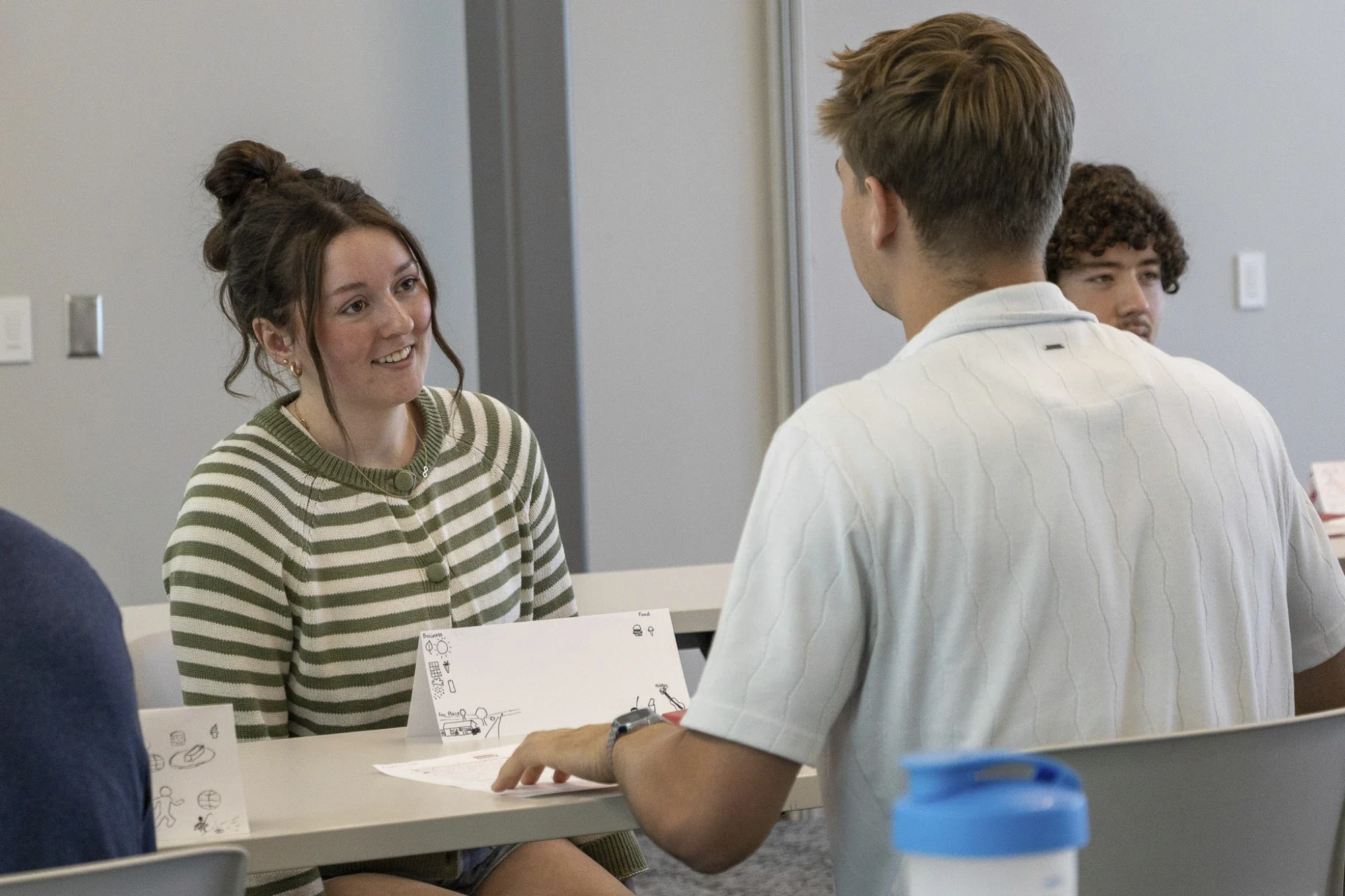
CYstarters gave me eleven weeks to focus on Go Mode alongside other student founders. The program mixed educational sessions and mentorship with time to work through the practical questions behind our ideas. I spent much of the summer moving between learning about business and building the physical product.


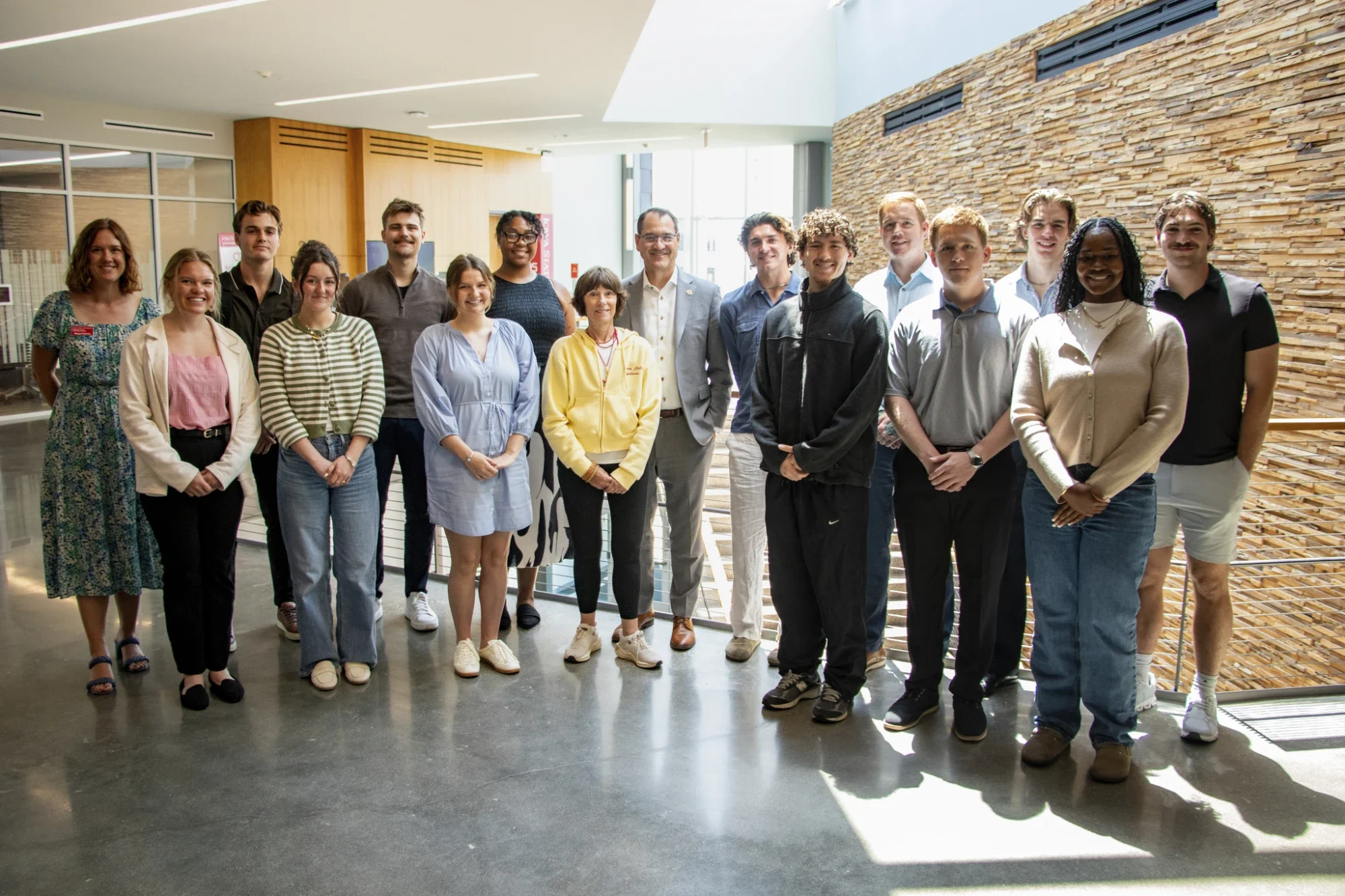
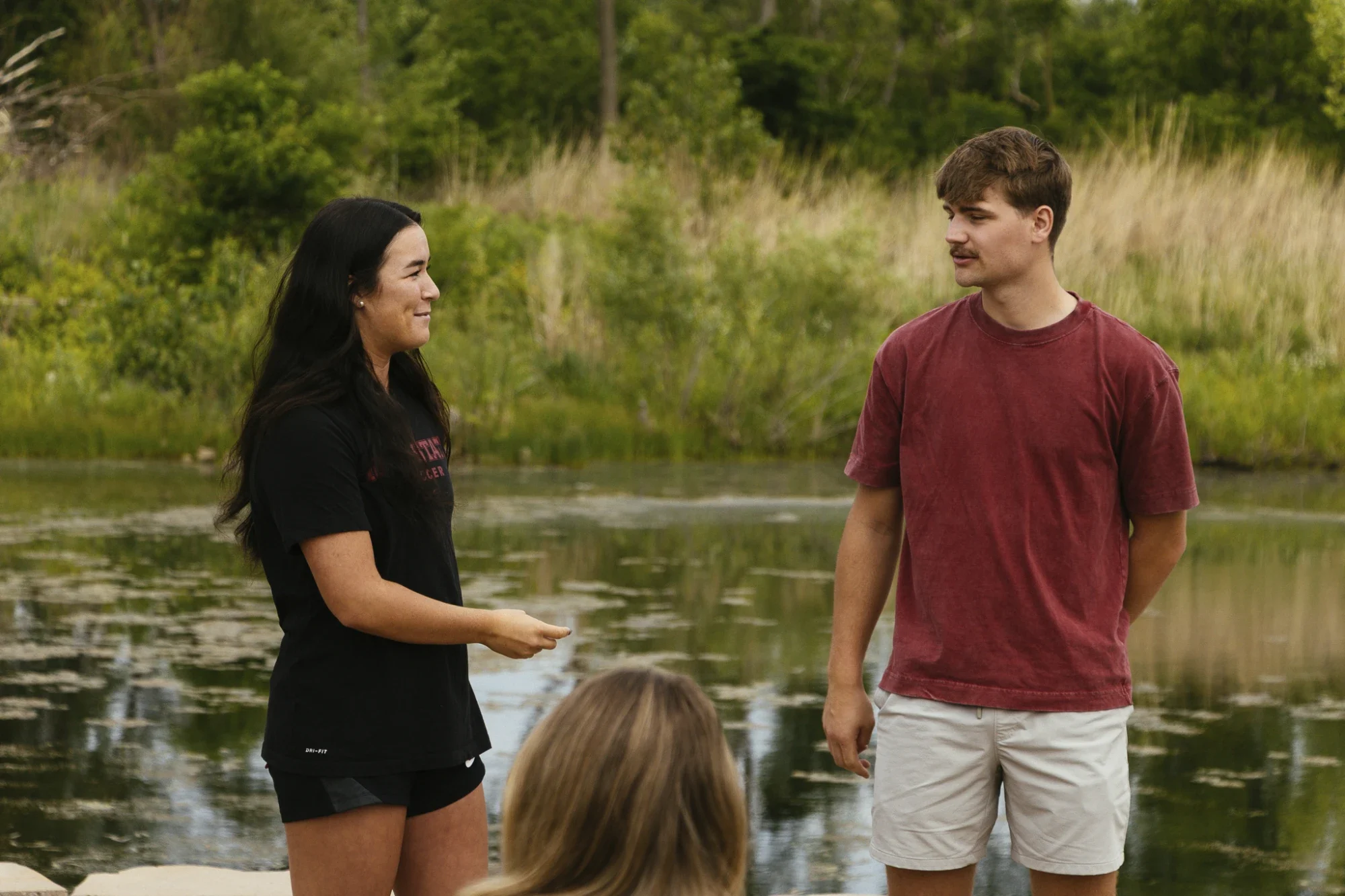
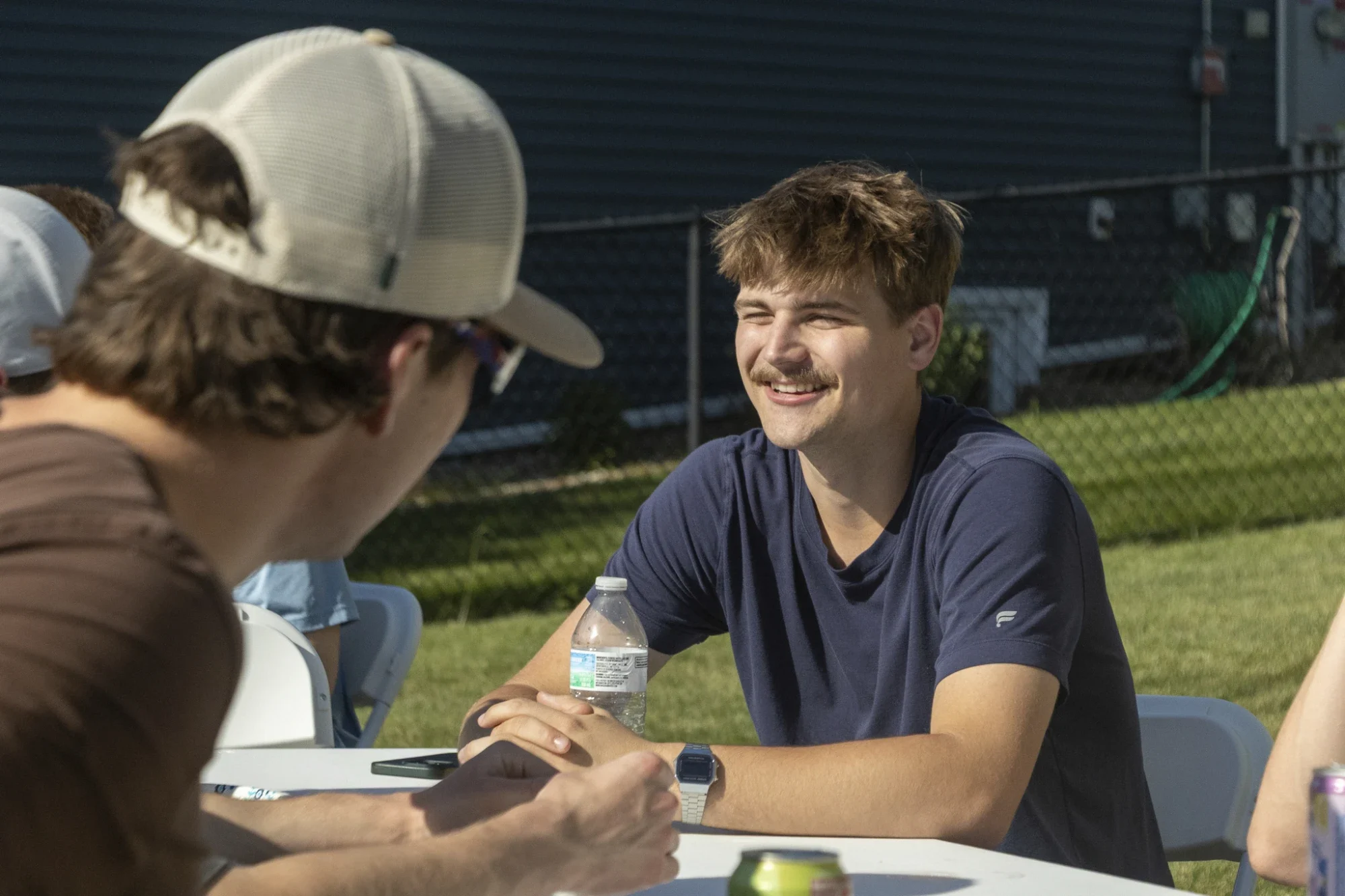
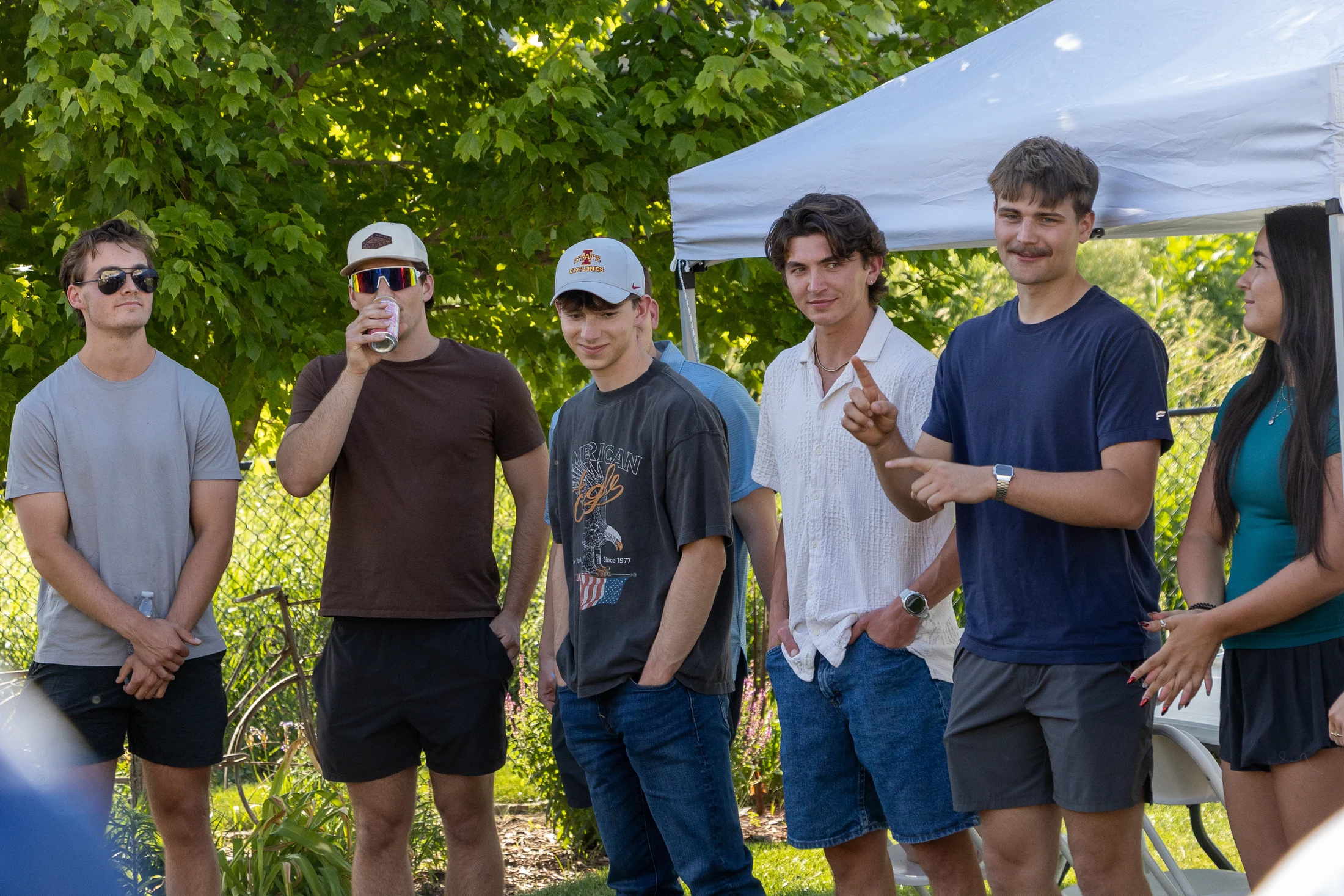
The other founders were a big part of it. I learned from watching how they tackled different problems, and we were all unsure about the same things: building something new. The time we spent together outside the sessions mattered as much as the program.
Megan Sweere, Judi Eyles, and Jean Walsh helped shape the program. Speakers and mentors talked with us about advertising, funding, and the decisions founders face.


I came in comfortable with product design. I had less experience with the work surrounding a product: pricing, minimum order quantities, outreach, digital marketing, and basic finance. CYstarters made those questions part of my day-to-day work.
To me that meant getting something out of every attempt. A test or prototype is only worth it if it changes what I do next.
“Fail fast and forward”


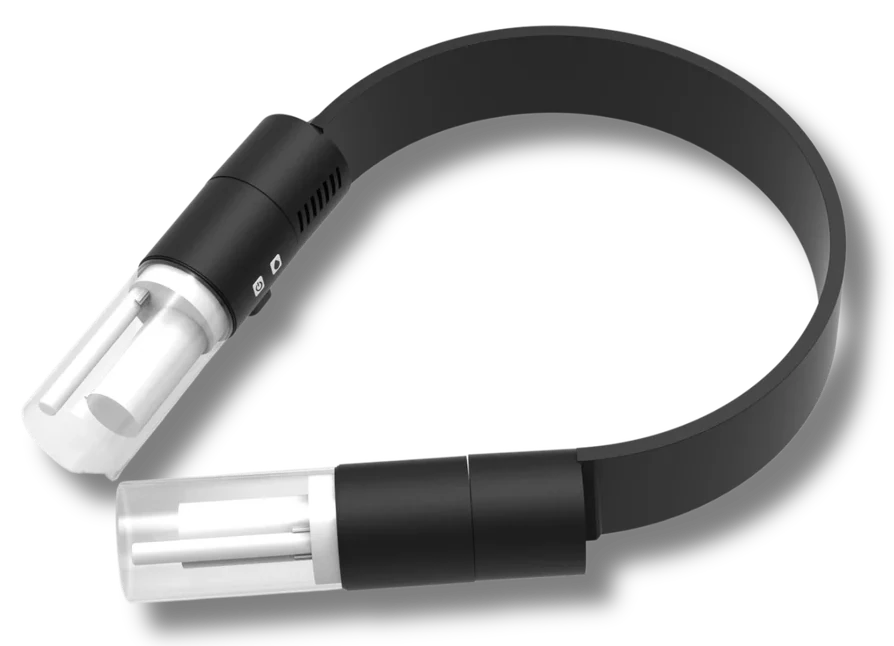
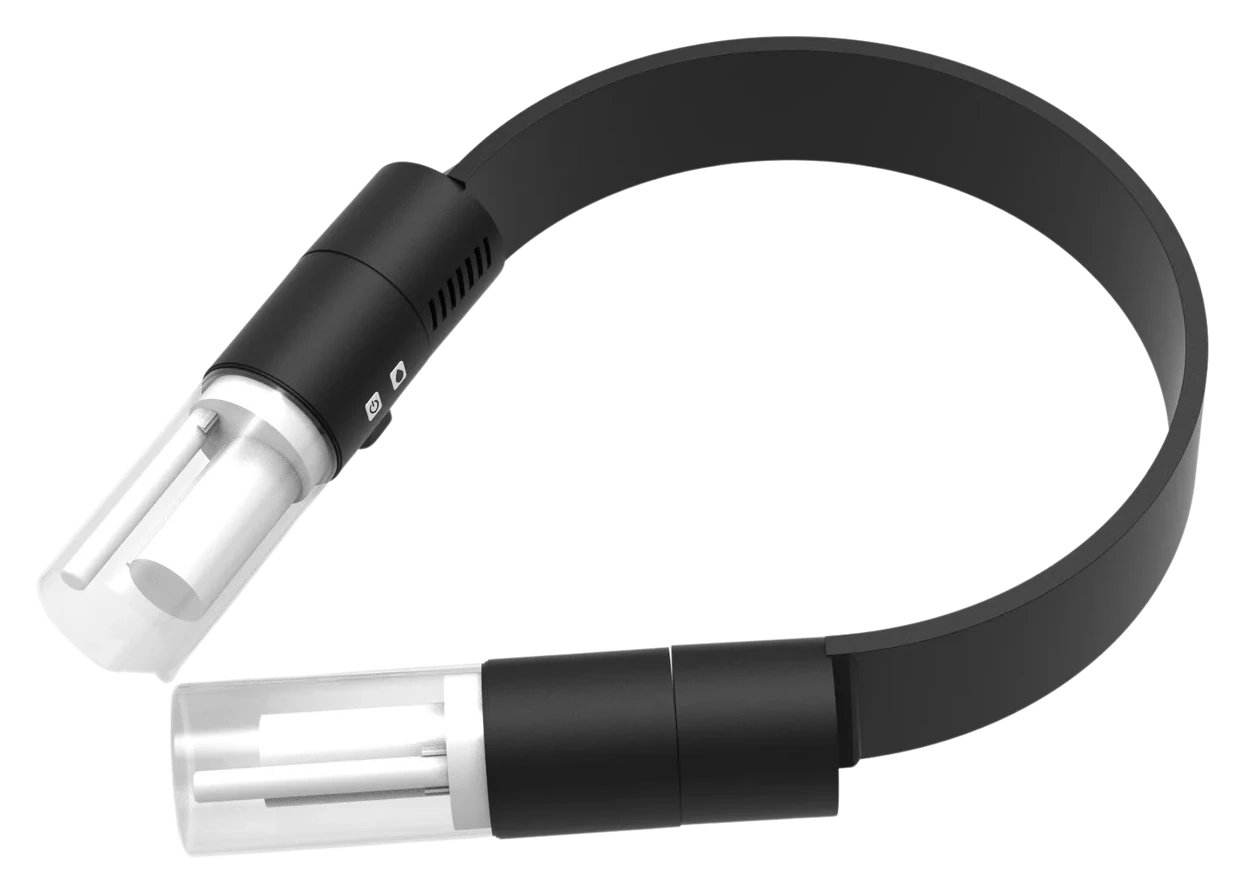
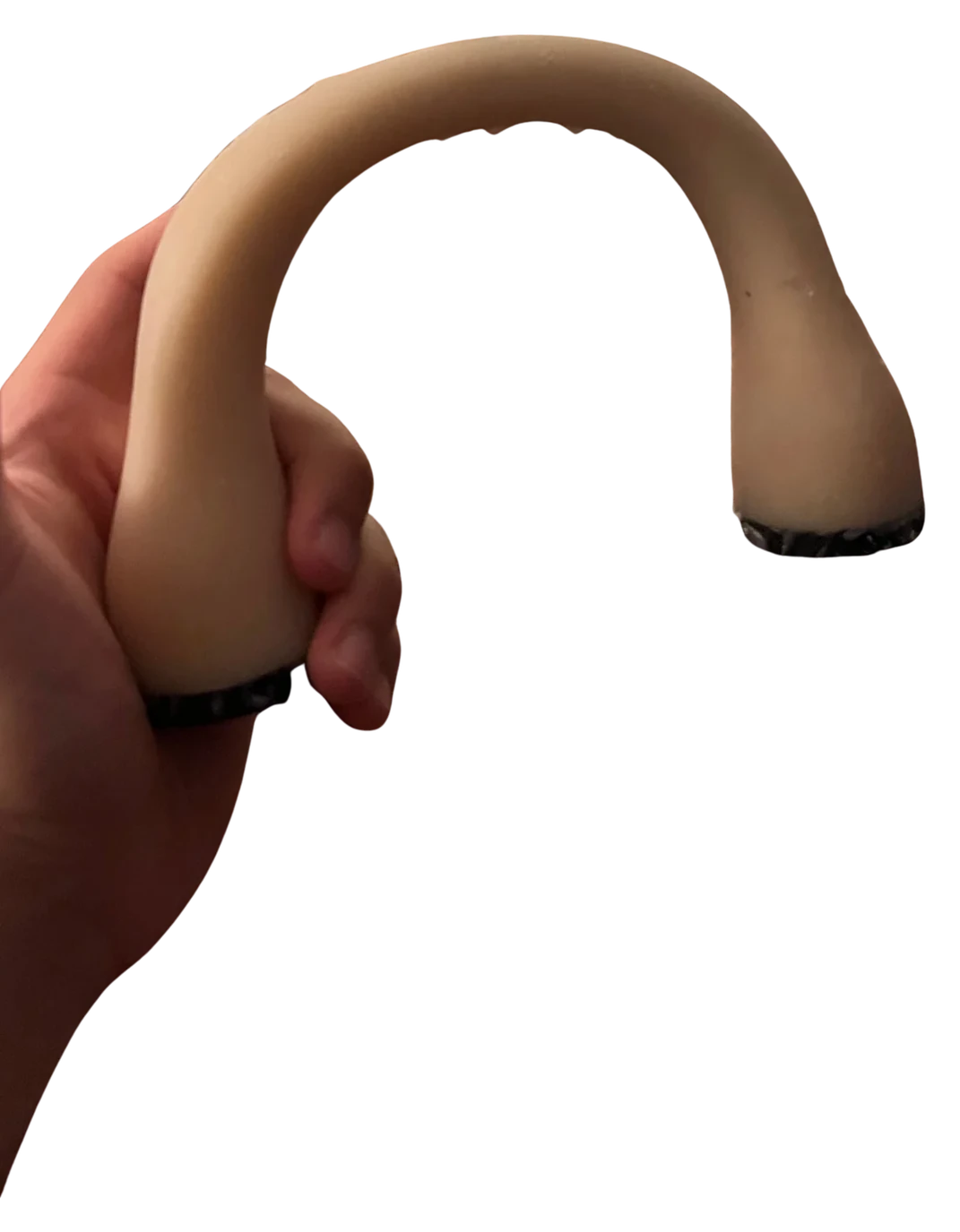
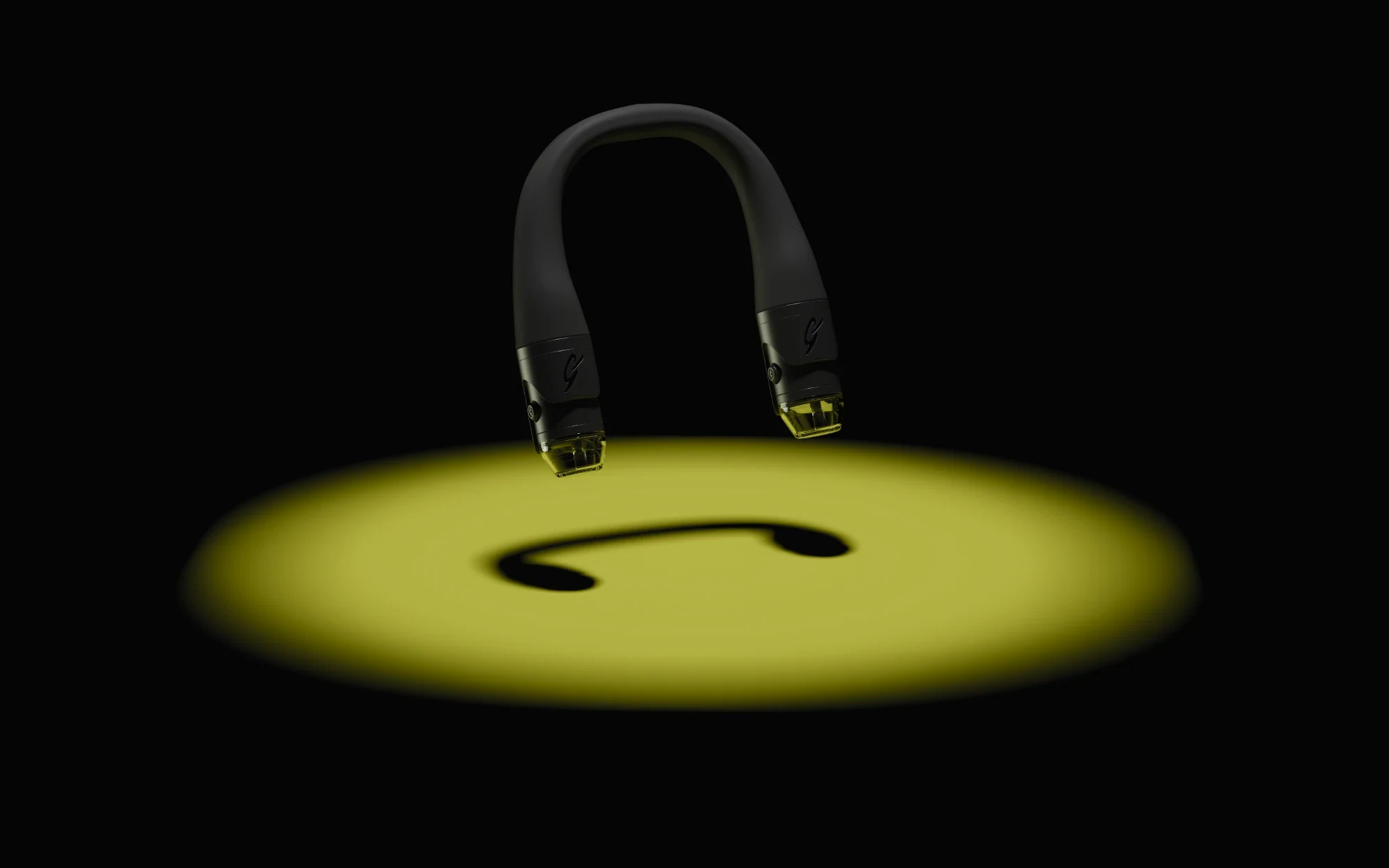
The first prototype relied on mostly off-the-shelf components. I kept the TPU neckband and circuit board, then redesigned the surrounding product. The work shifted from proving the concept could function to making a better wearable.
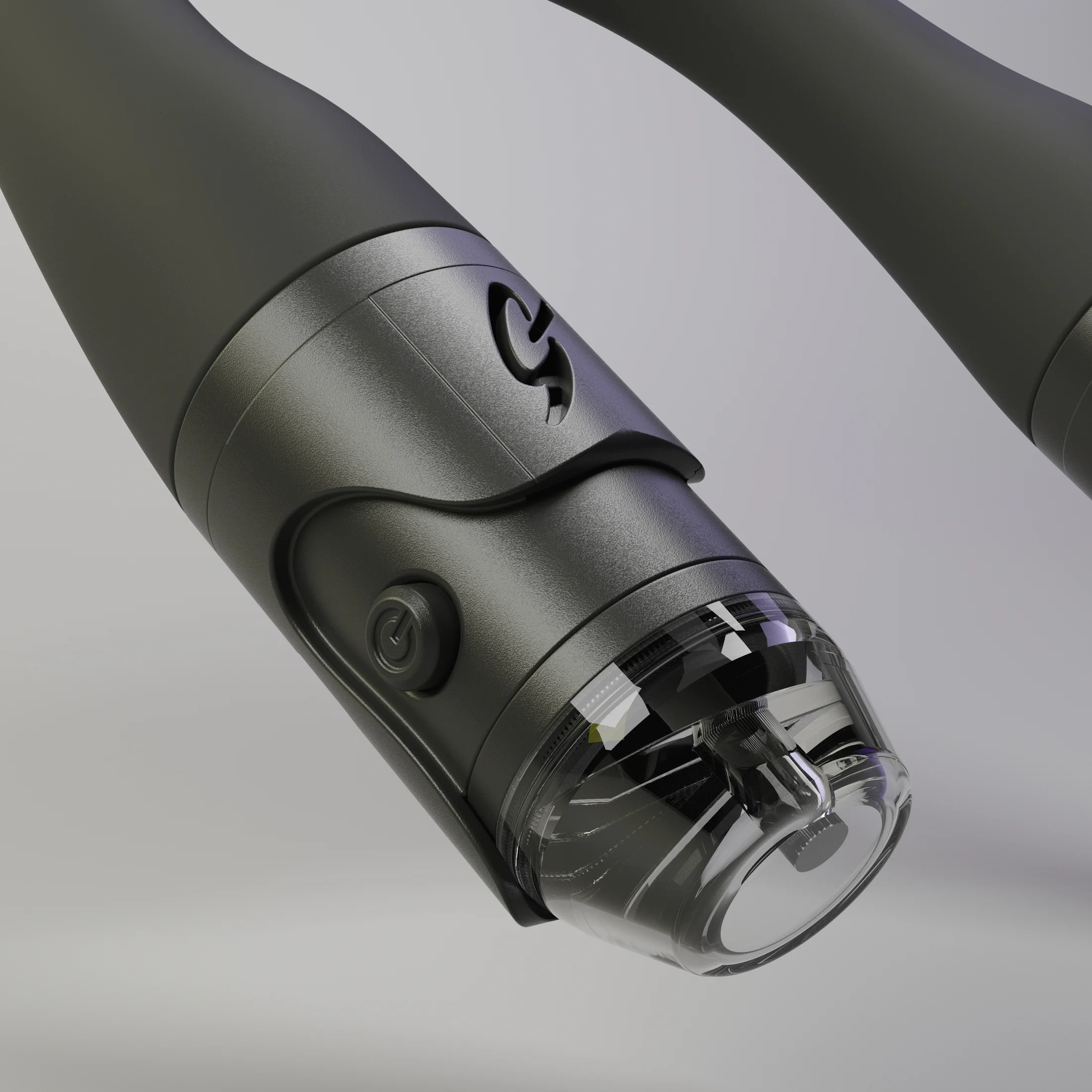
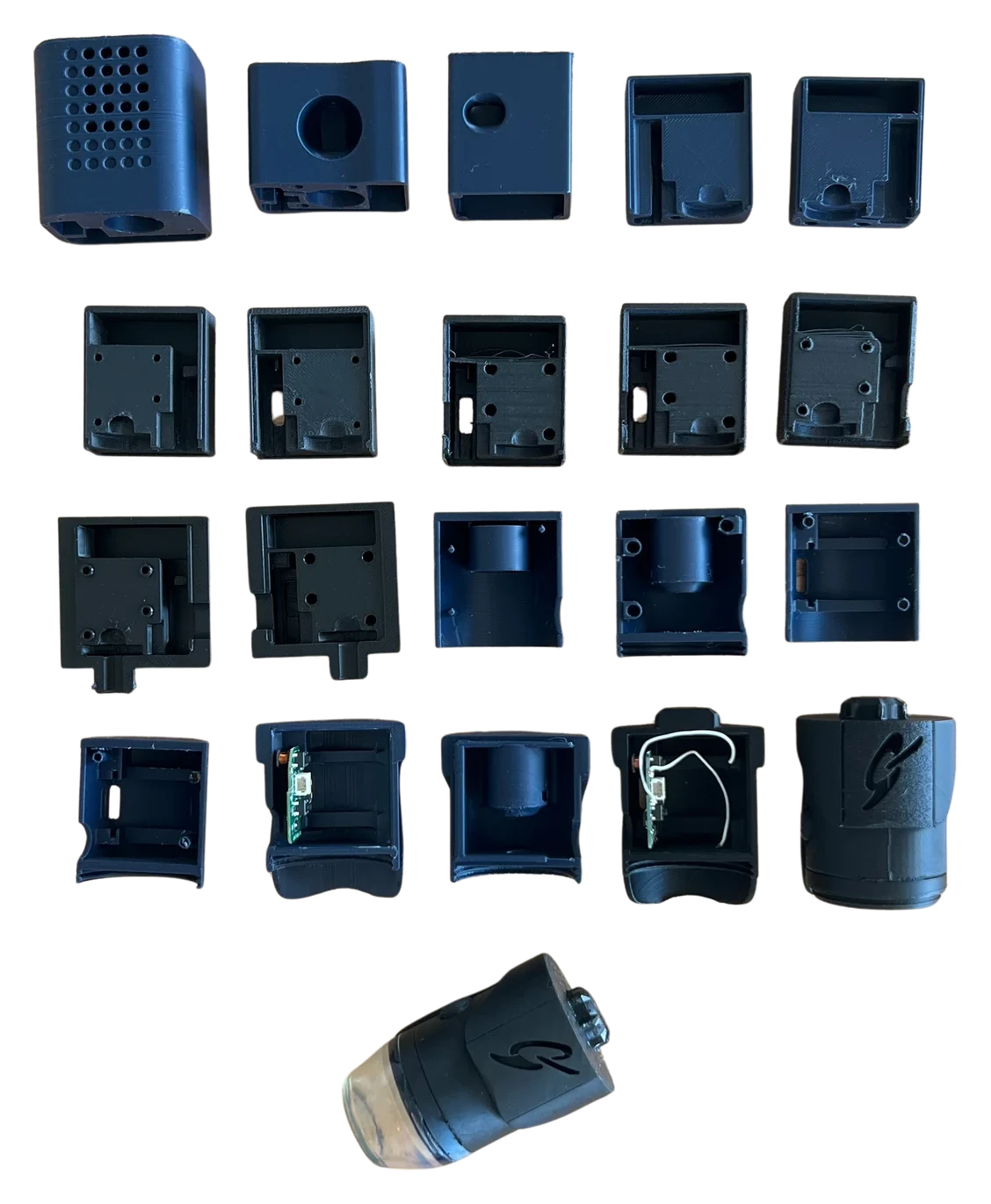
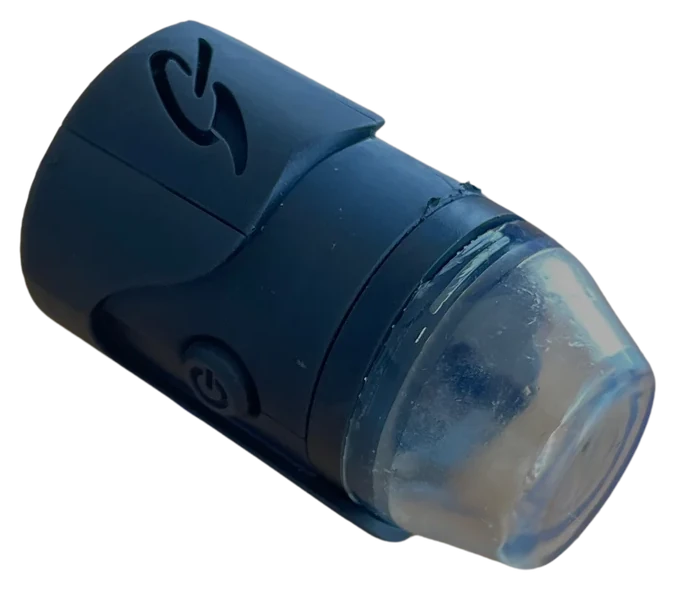
The redesign touched the housing, scent pod, atomizer connection, battery arrangement, and neckband construction.


I led the hardware and manufacturing work, designing the enclosure, pod, battery arrangement, and neckband. Sophia led branding and the website.


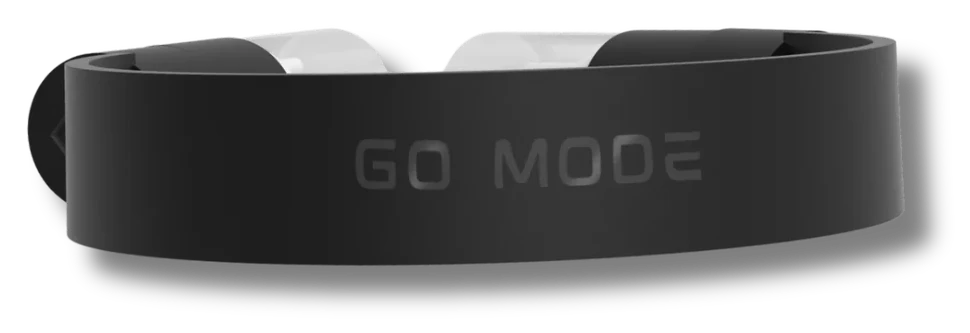
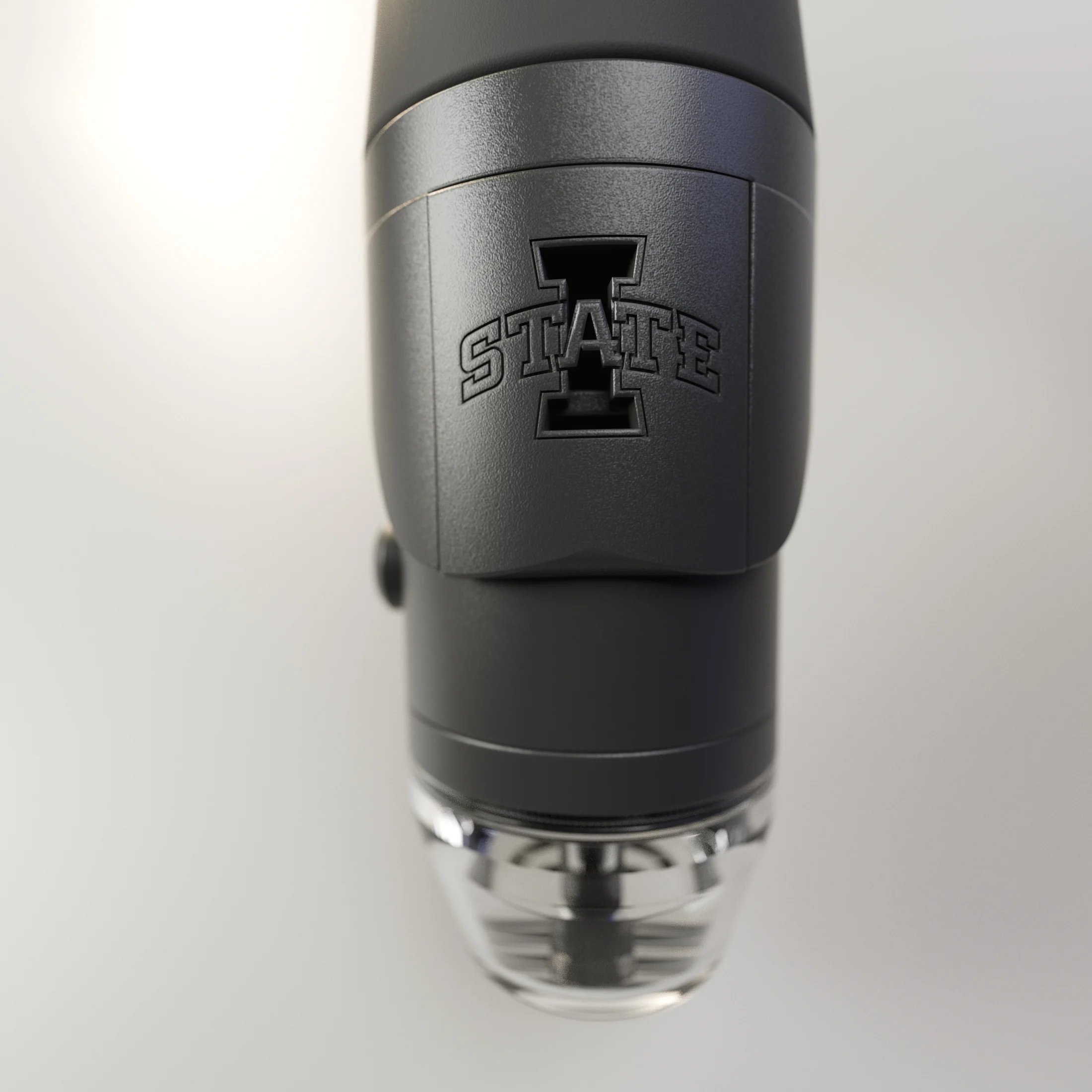
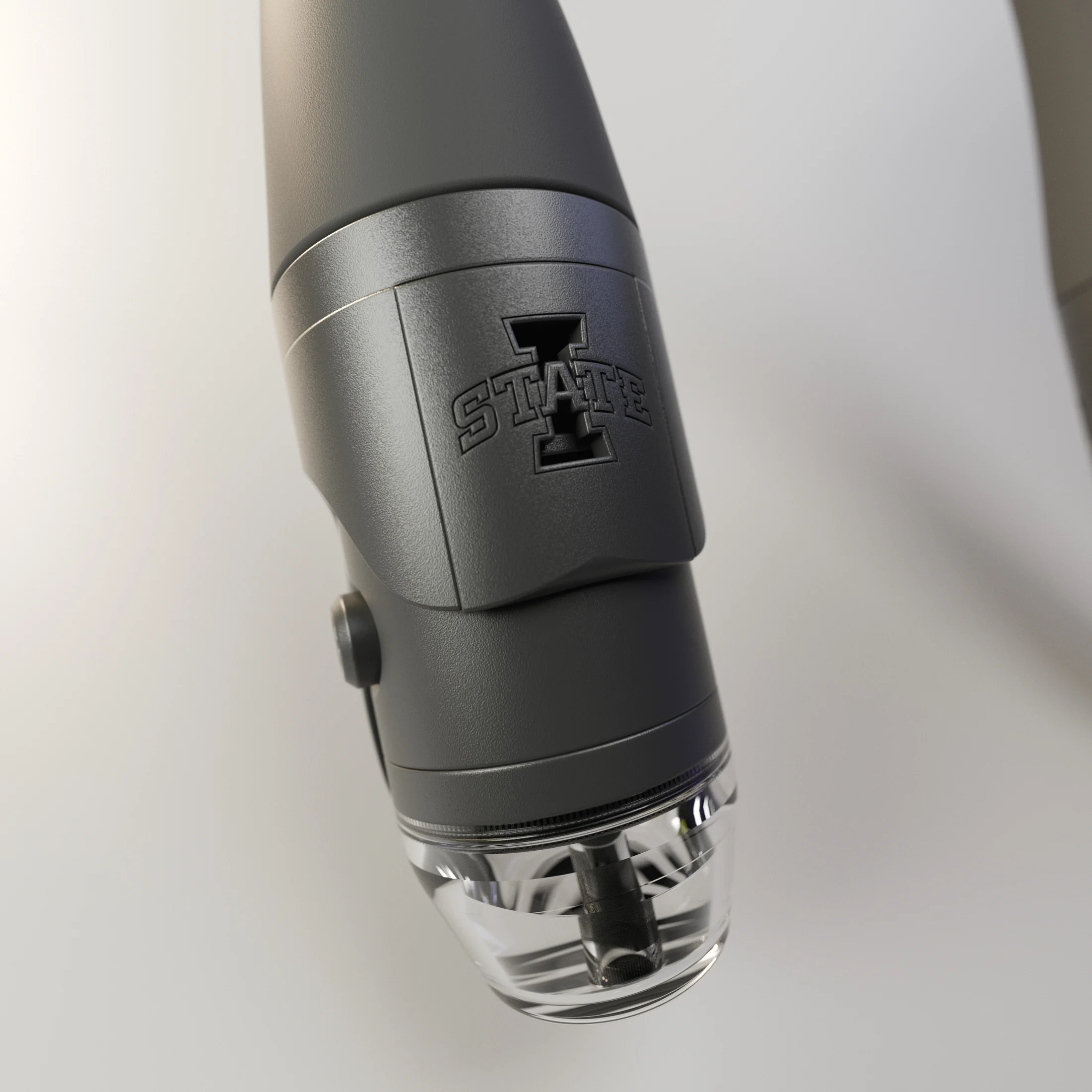
The housing began as a square form and moved toward a circular one. I replaced a push-and-twist closure with a screw because the simpler mechanism was easier to build and assemble. The later version integrated the logo as the mist vent and connected the neckband directly to the housing.

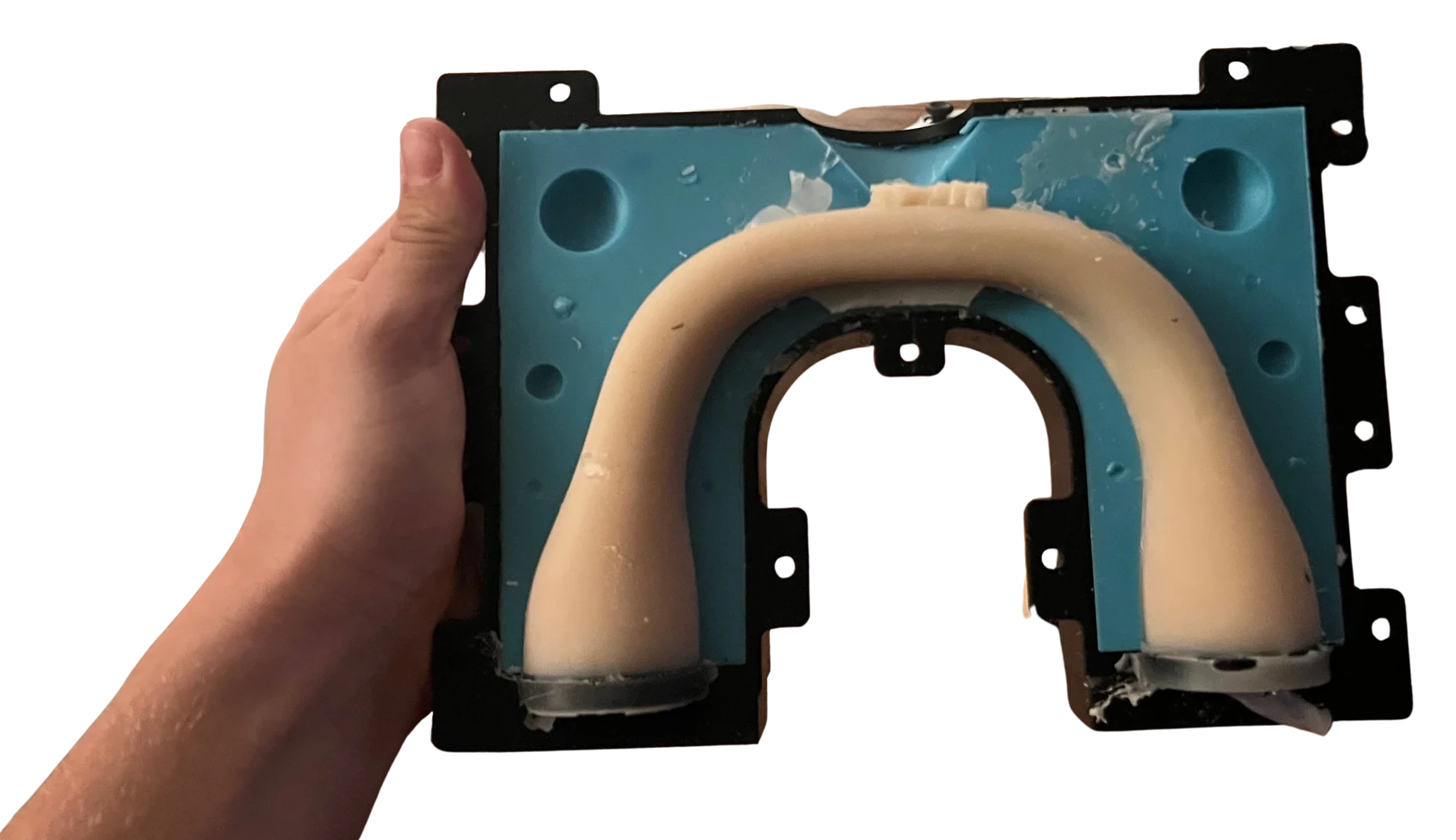
Moldmaking and casting were new to me. The printed mold texture carried into the silicone. Some molds leaked, and bubbles affected the castings. Clear resin parts came out cloudy or yellowed. I adjusted the process and smoothed fresh clear resin over gaps in the pods.
The failures were useful because they showed how mold design, surface finish, and process control affected the final part.


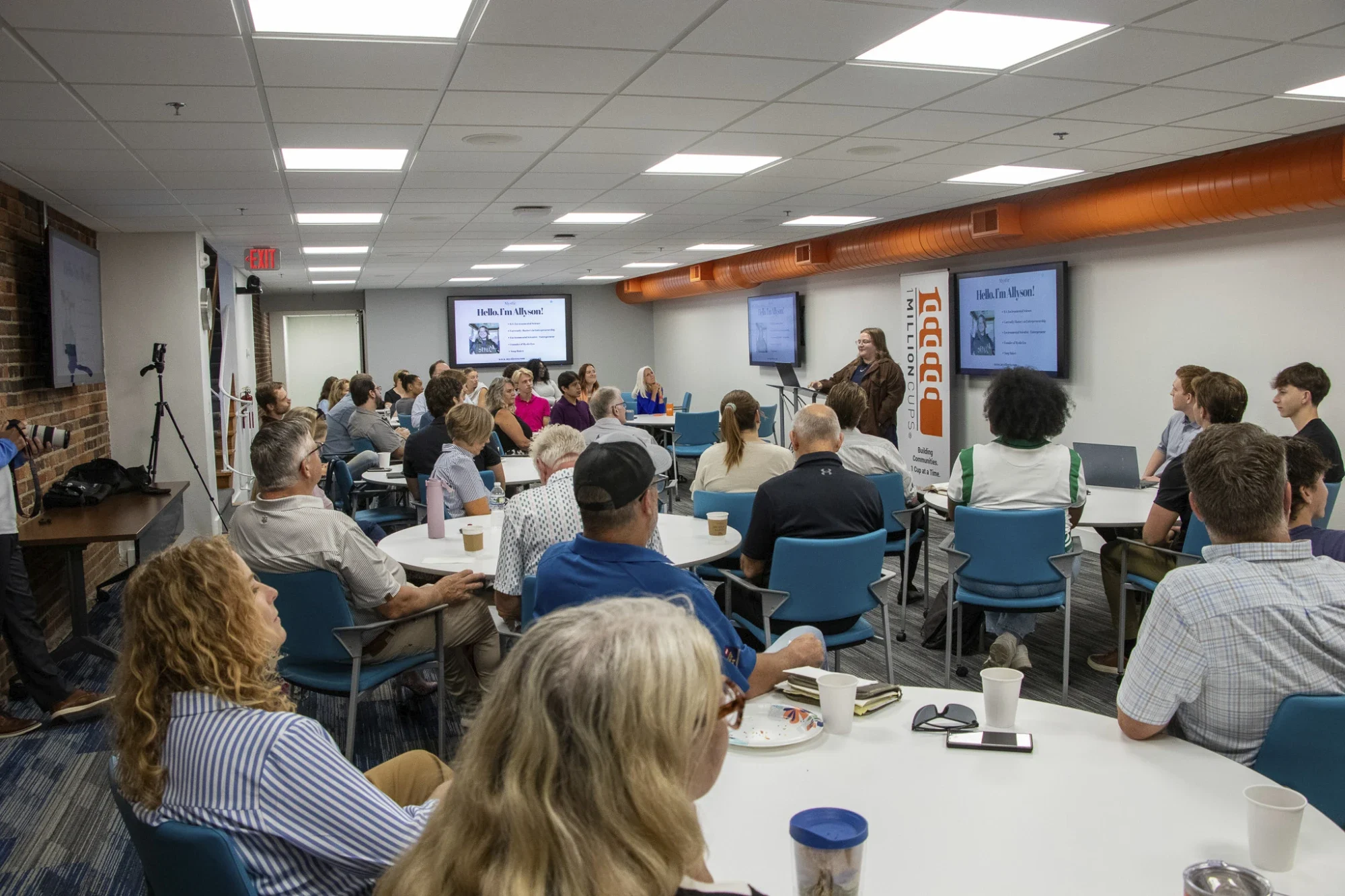
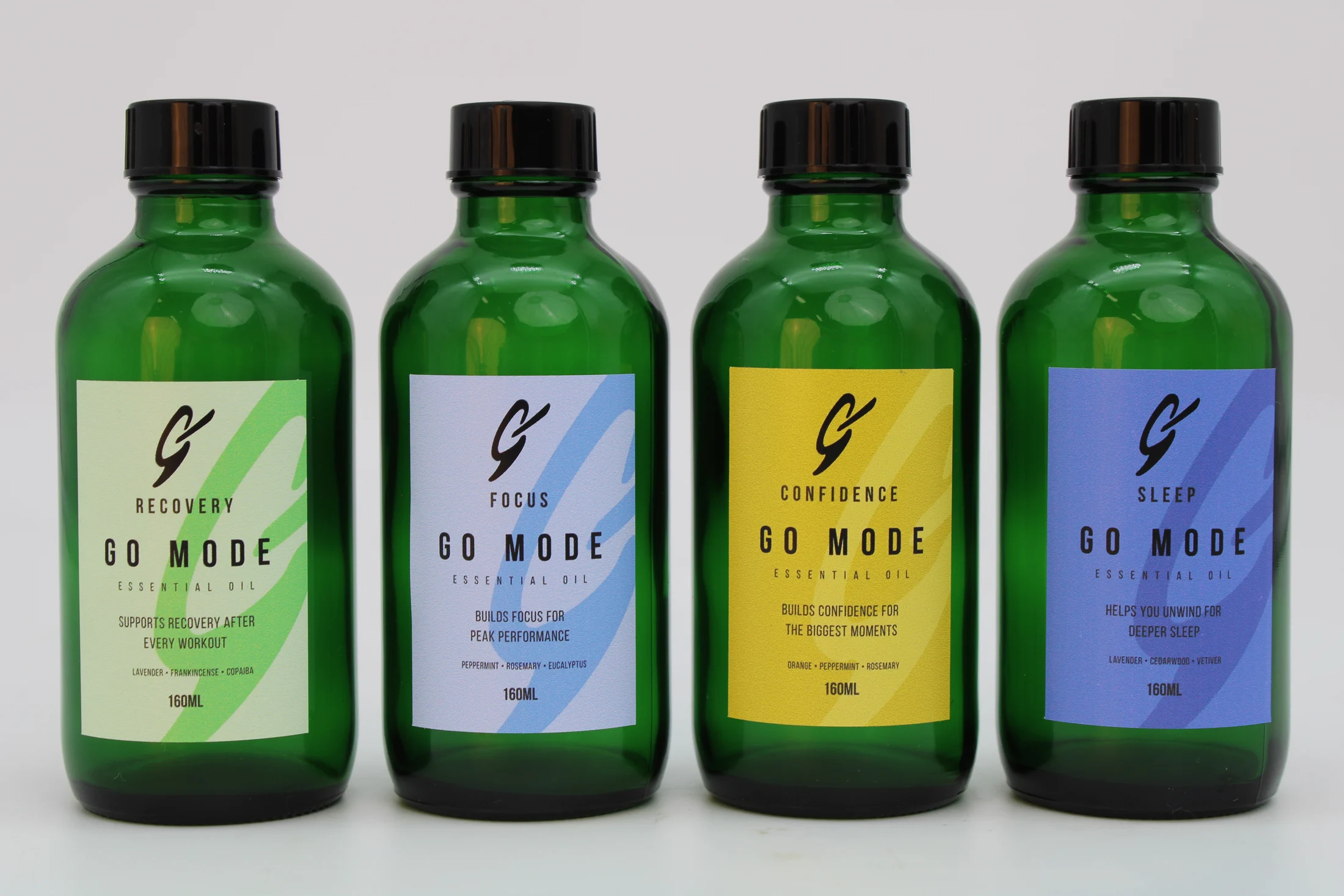
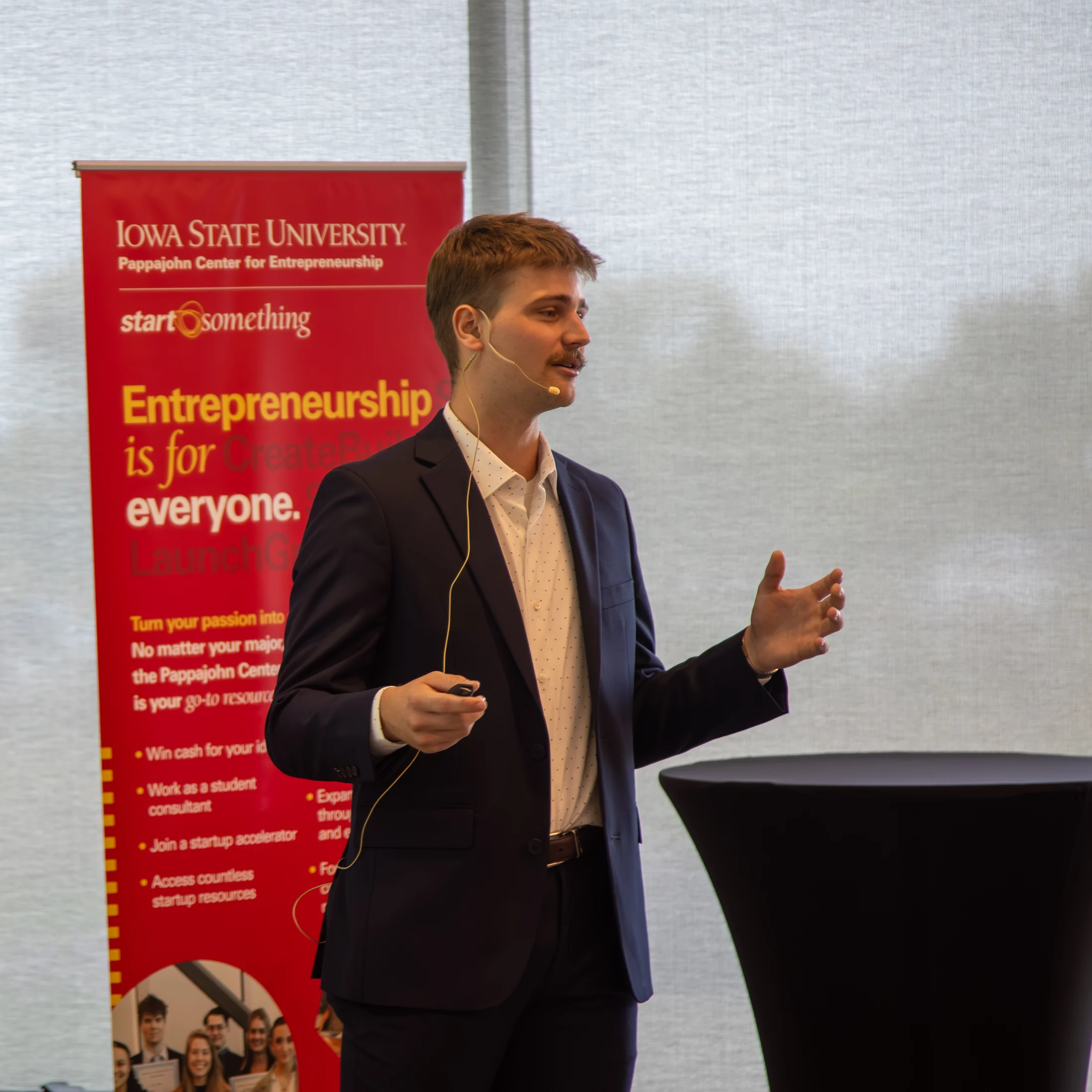
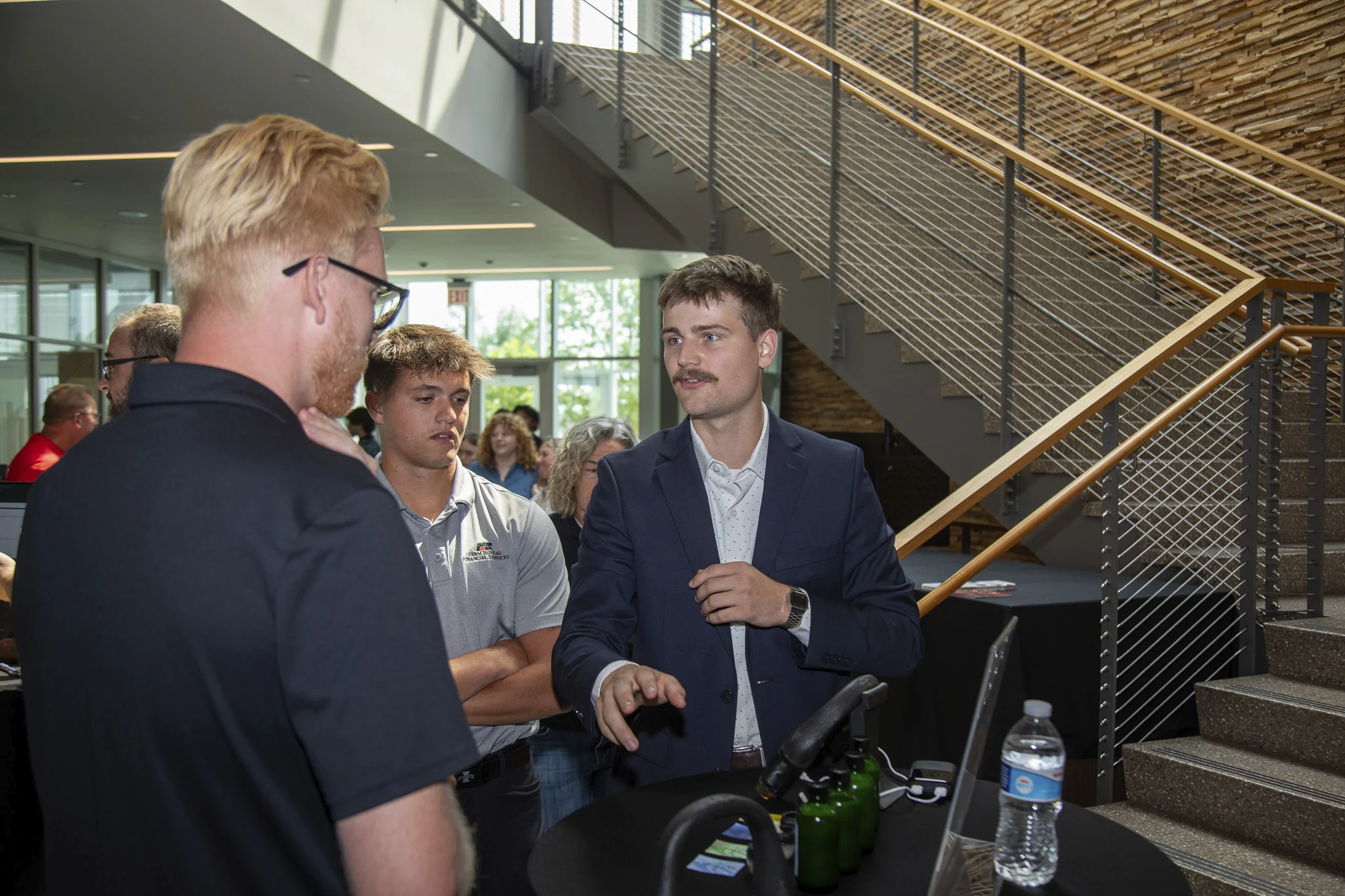
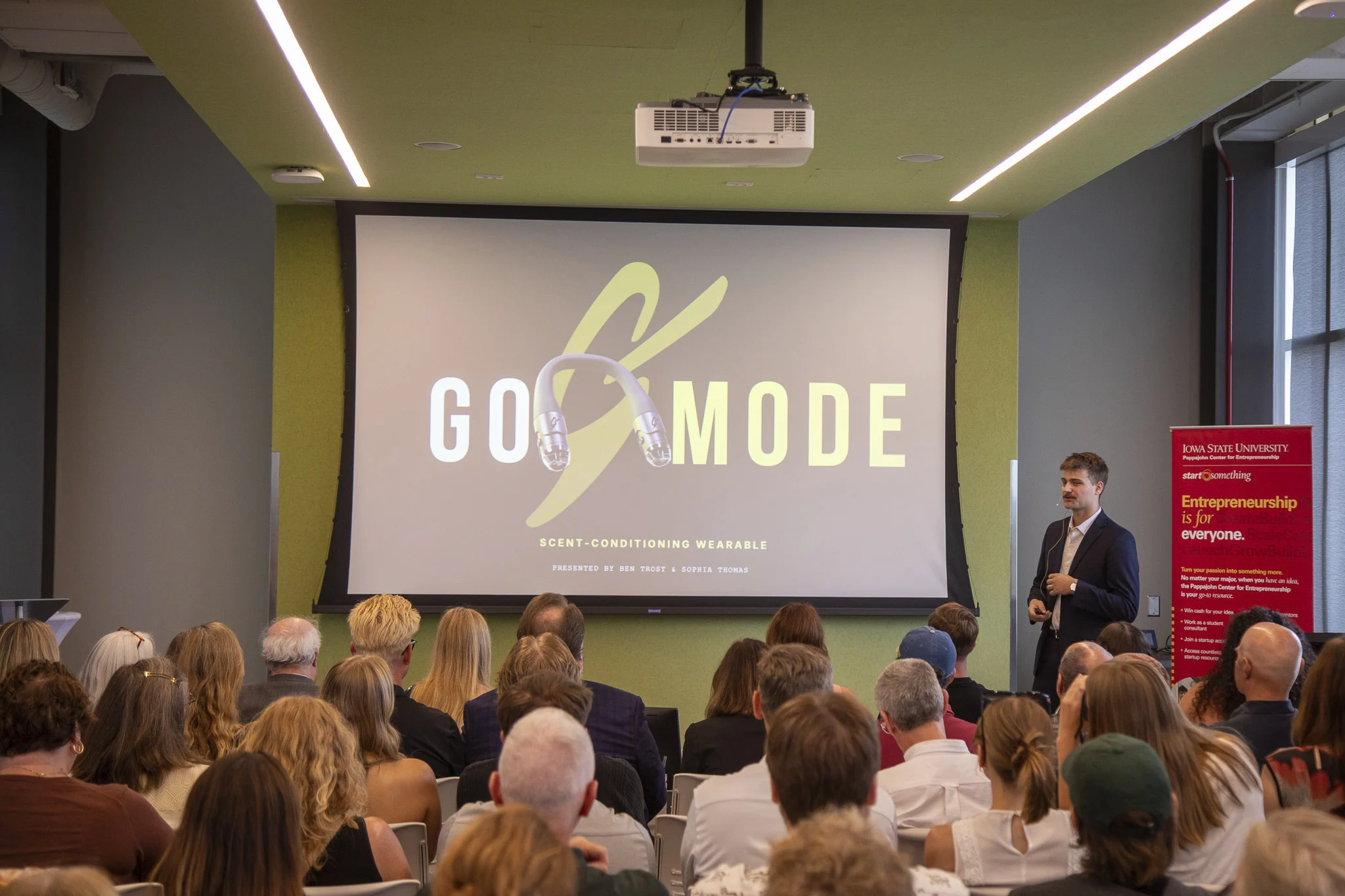
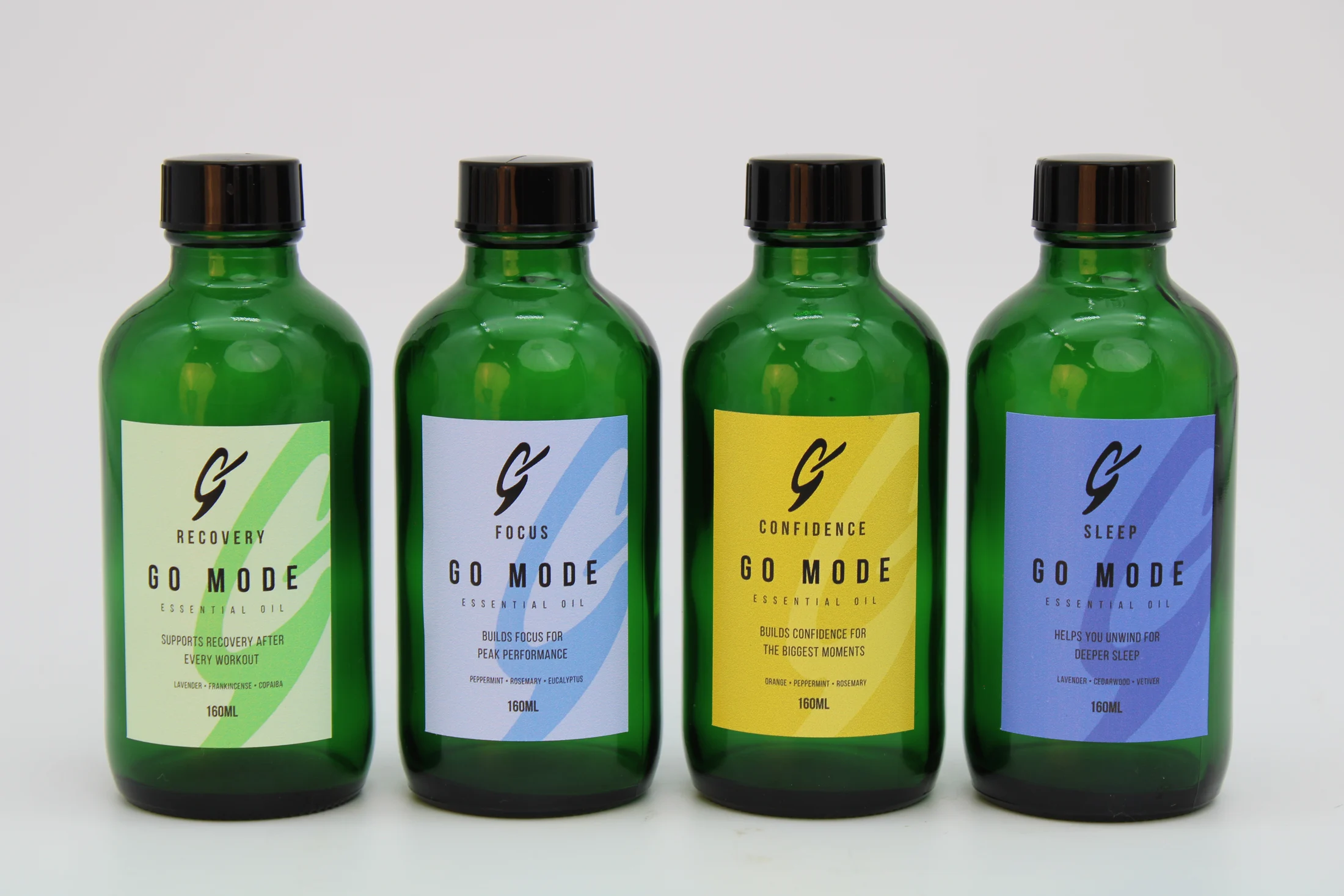
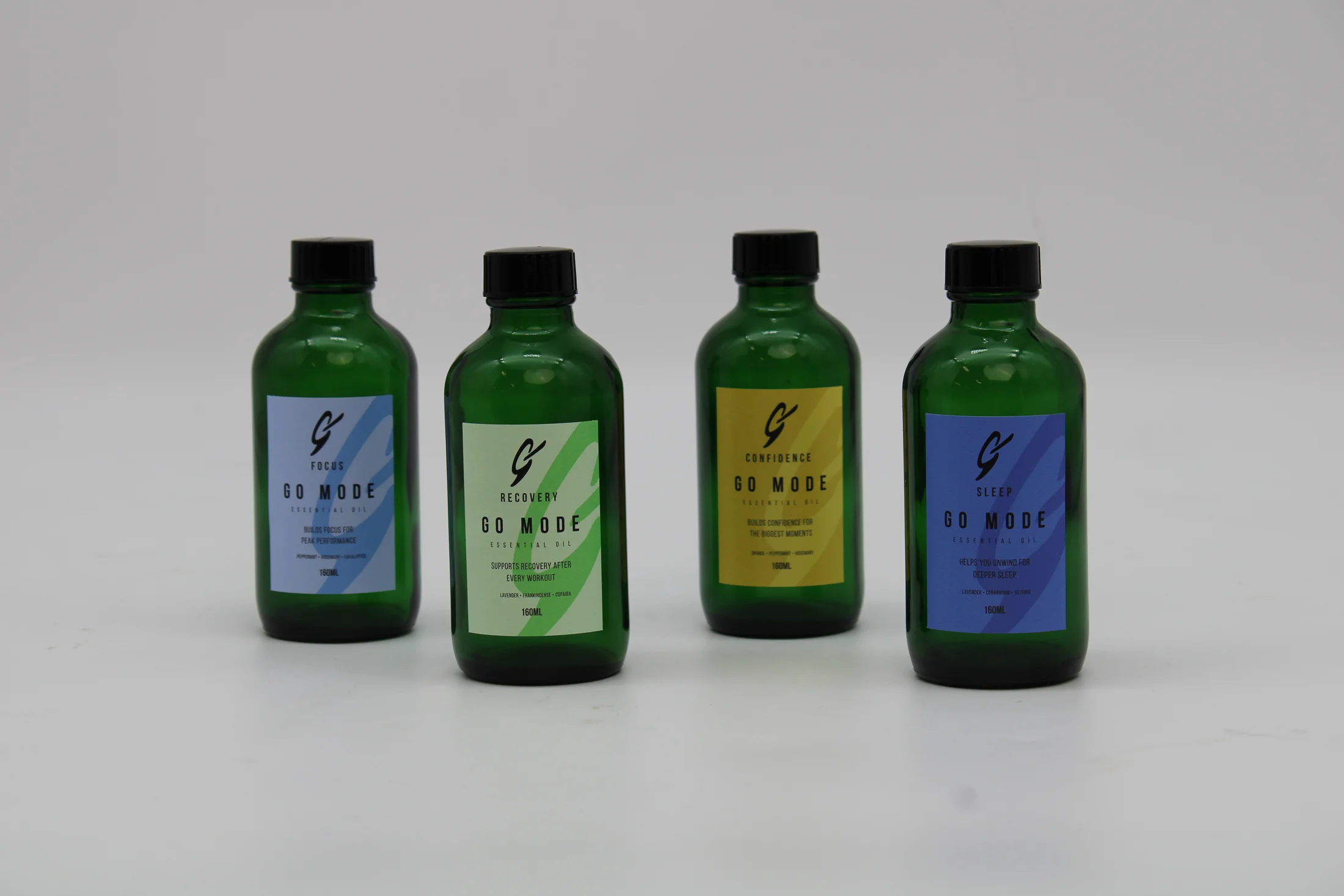
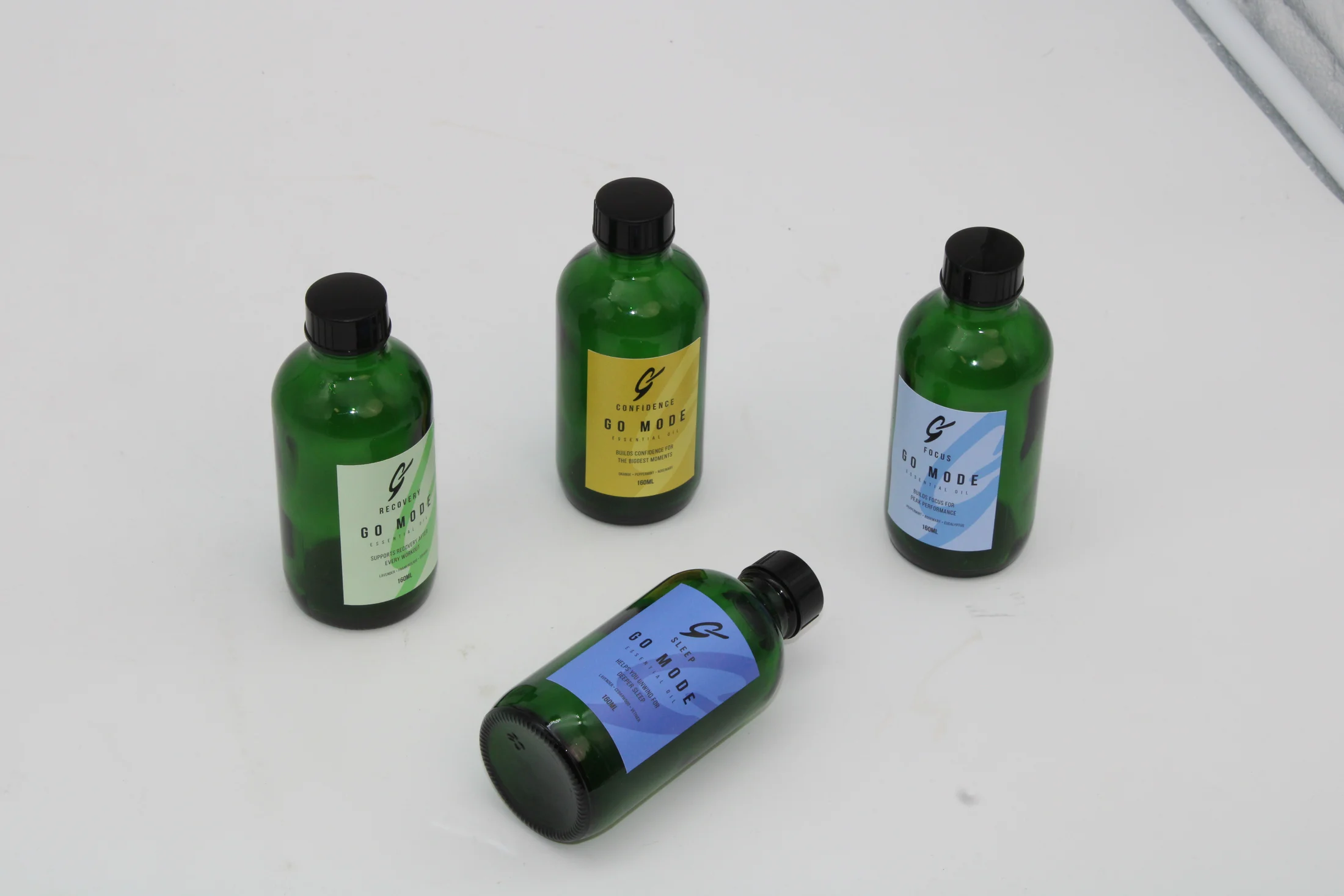
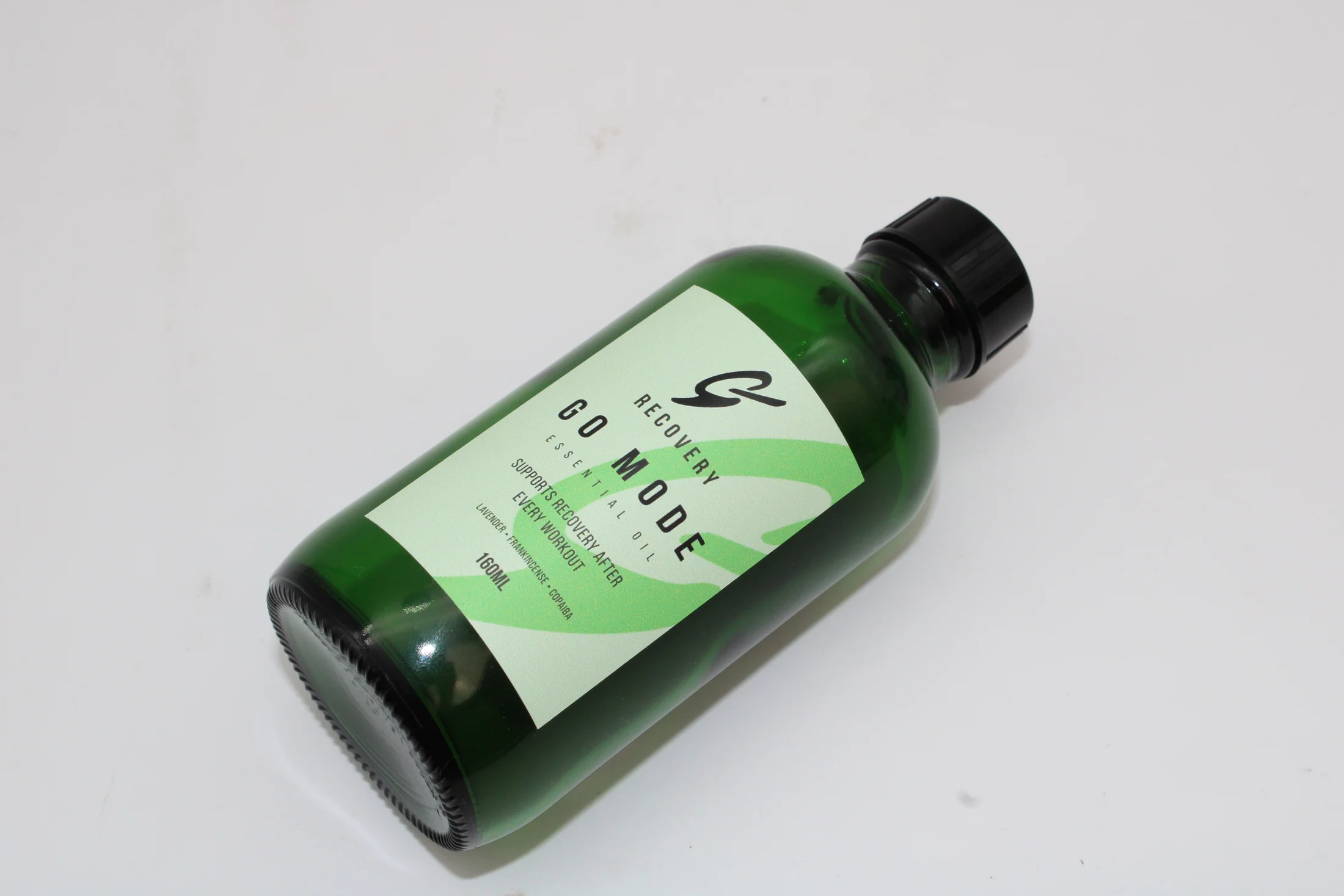
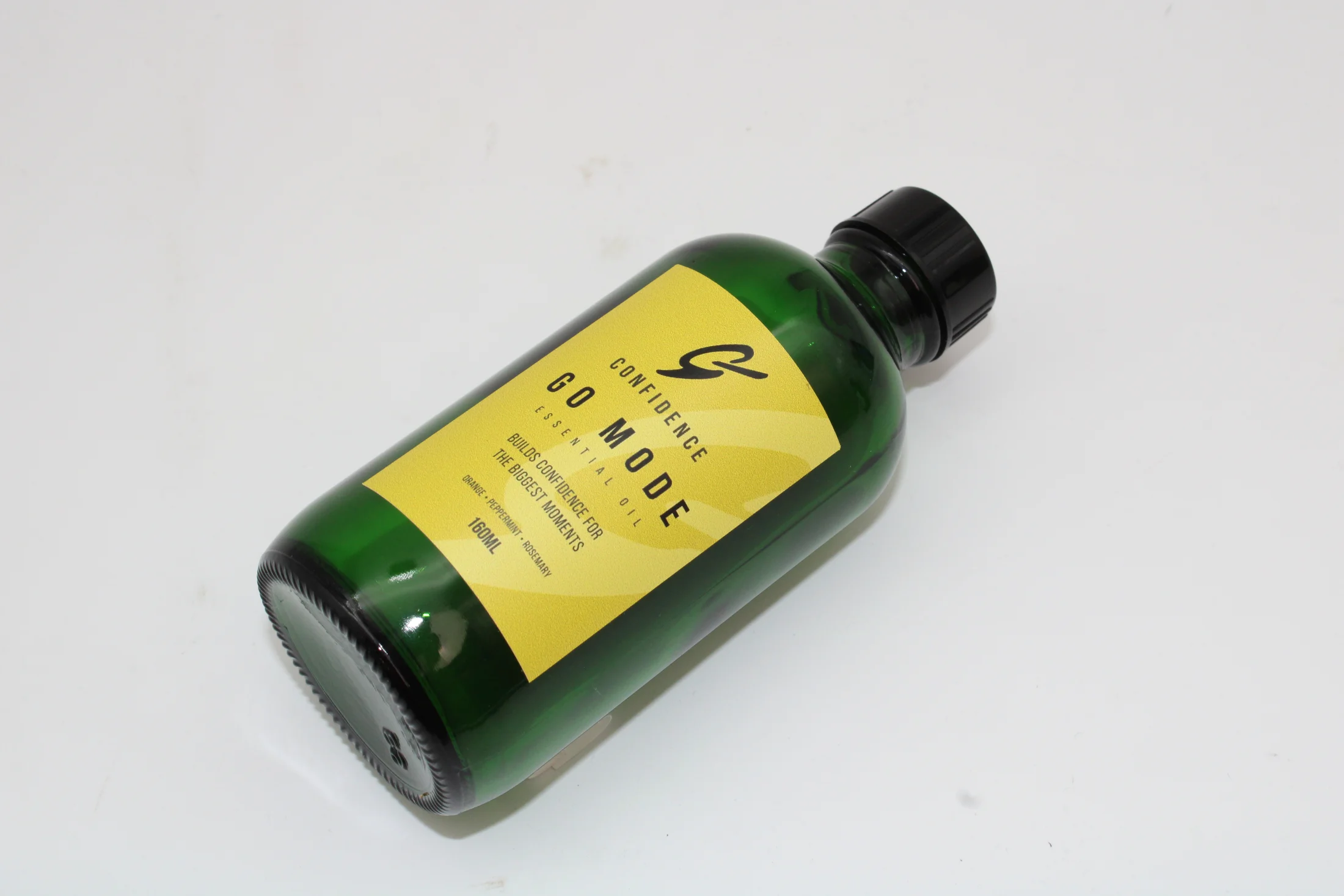
On July 30, 2026, CYstarters Cohort 11 presented its work at Demo Day. I showed a working Go Mode unit with four branded scent bottles. The prototype communicated the product direction, but it had not reached the standard I wanted for a saleable product.
Early testers had tried a rough version. The final unit had not been tested with users.


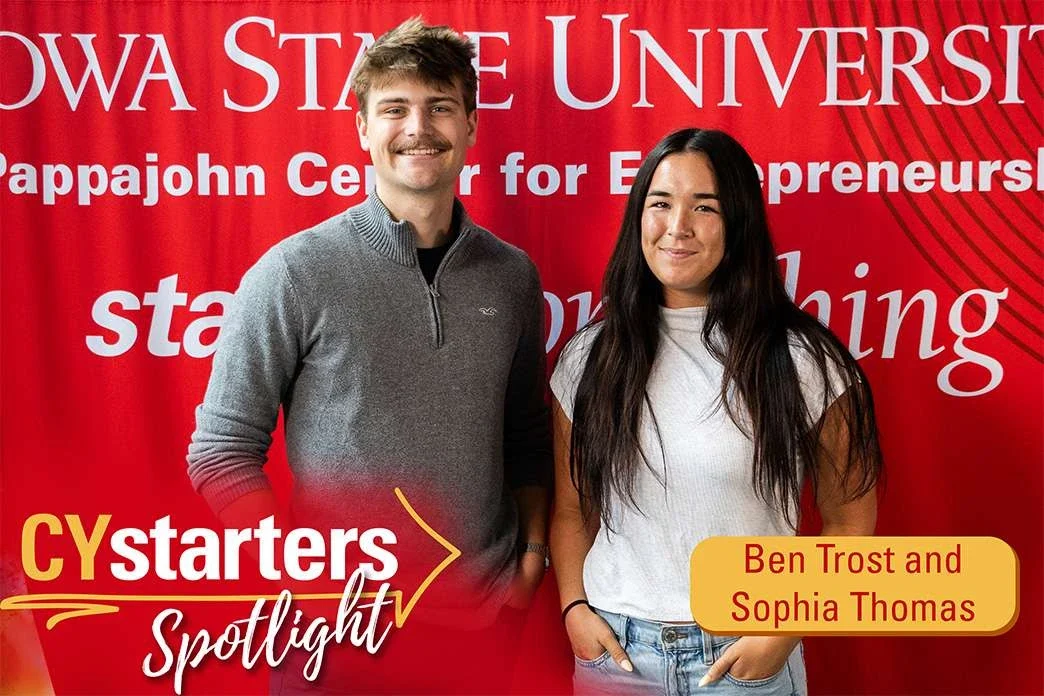
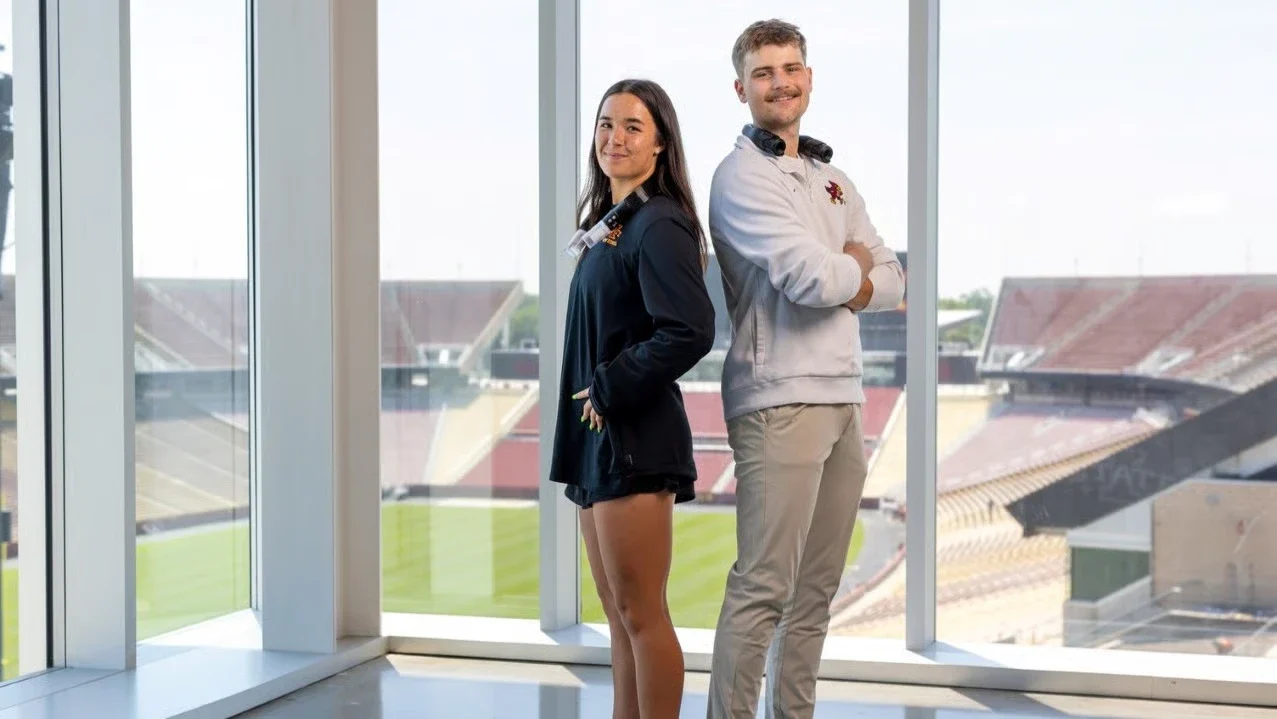
Go Mode and our CYstarters experience were featured by both the Iowa State University Foundation and the Pappajohn Center for Entrepreneurship. The Foundation story followed how Sophia Thomas and I took on a challenge to rethink athletes’ warmups and developed it into a venture. The Pappajohn spotlight focused on our experience as student founders. Both place the project inside Iowa State’s entrepreneurship community.
Read the Iowa State University Foundation storyRead the Pappajohn Center spotlight


This is the presentation I gave at the end of the summer. It covers the idea, the design direction, and what I had finished by Demo Day.

I am no longer pursuing Go Mode. The summer gave me a clearer view of the work around a physical product, from fabrication and assembly to cost and testing. I’m proud that I took the design through repeated iterations and made a working prototype. I would set a tighter scope and bring user testing into the process earlier.